Italy
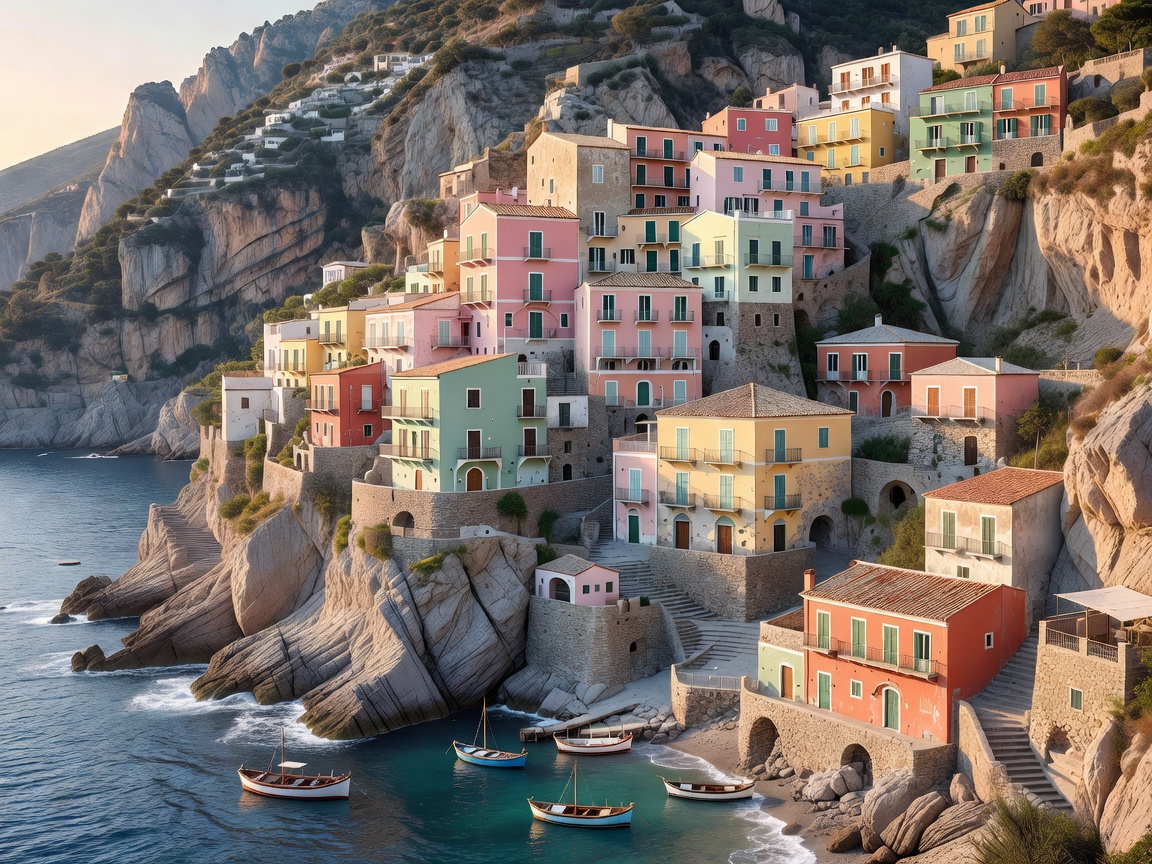
Amalfi Coast
Pastel villages cling to cliffs above the Tyrrhenian Sea. In summer, ferries between towns are often faster and calmer than the famously narrow, winding coastal road — and the views from the water are the classic ones.
Guide 01 · Countries, places & cities
Ten countries, fifty places and a practical way to choose between them. Match destinations to your pace, budget and season before you book a single train.
01 Countries
Europe rewards travellers who choose a few places well rather than many places quickly. The ten countries in this guide cover the continent's most-loved destinations, from the museum capitals of France and Italy to the fjords of Norway and the islands of Greece and Croatia. Each has its own rhythm, and understanding it before you book saves time, money and energy.
Eight of the ten use the euro. Switzerland uses the Swiss franc and Norway the Norwegian krone, and both are consistently among the more expensive places in Europe to eat, sleep and travel. All ten belong to the Schengen Area, so internal border checks are usually minimal once you have entered — but always confirm entry rules for your own passport before travelling.
A useful rule of thumb: plan no more than one new base every two to three days. Moving more often turns a holiday into a logistics exercise, especially where ferries or mountain railways are involved.
| Country | Best for | Currency | Pace |
|---|---|---|---|
| France | Art, food, coastlines | Euro | Fast in Paris, slow on the Riviera |
| Italy | History, cuisine, design | Euro | Dense sightseeing, long lunches |
| Spain | Architecture, nightlife, beaches | Euro | Late dinners, relaxed afternoons |
| Greece | Ancient sites, islands | Euro | Island time in summer |
| Switzerland | Mountains, lakes, trains | Swiss franc | Precise and efficient |
| Austria | Music, palaces, alpine villages | Euro | Elegant and unhurried |
| Portugal | Coastline, tiles, port wine | Euro | Easy-going |
| Netherlands | Canals, art, flowers | Euro | Compact, bike-friendly |
| Norway | Fjords, Arctic light | Norwegian krone | Remote, nature-first |
| Croatia | Old towns, islands, lakes | Euro | Coastal, ferry-paced |
Pros
Cons
Pros
Cons
Pros
Cons
Pros
Cons
02 Places to visit
Some destinations work best as a base, others as one unforgettable day. These six reward the extra effort of getting there.
Italy
Pastel villages cling to cliffs above the Tyrrhenian Sea. In summer, ferries between towns are often faster and calmer than the famously narrow, winding coastal road — and the views from the water are the classic ones.
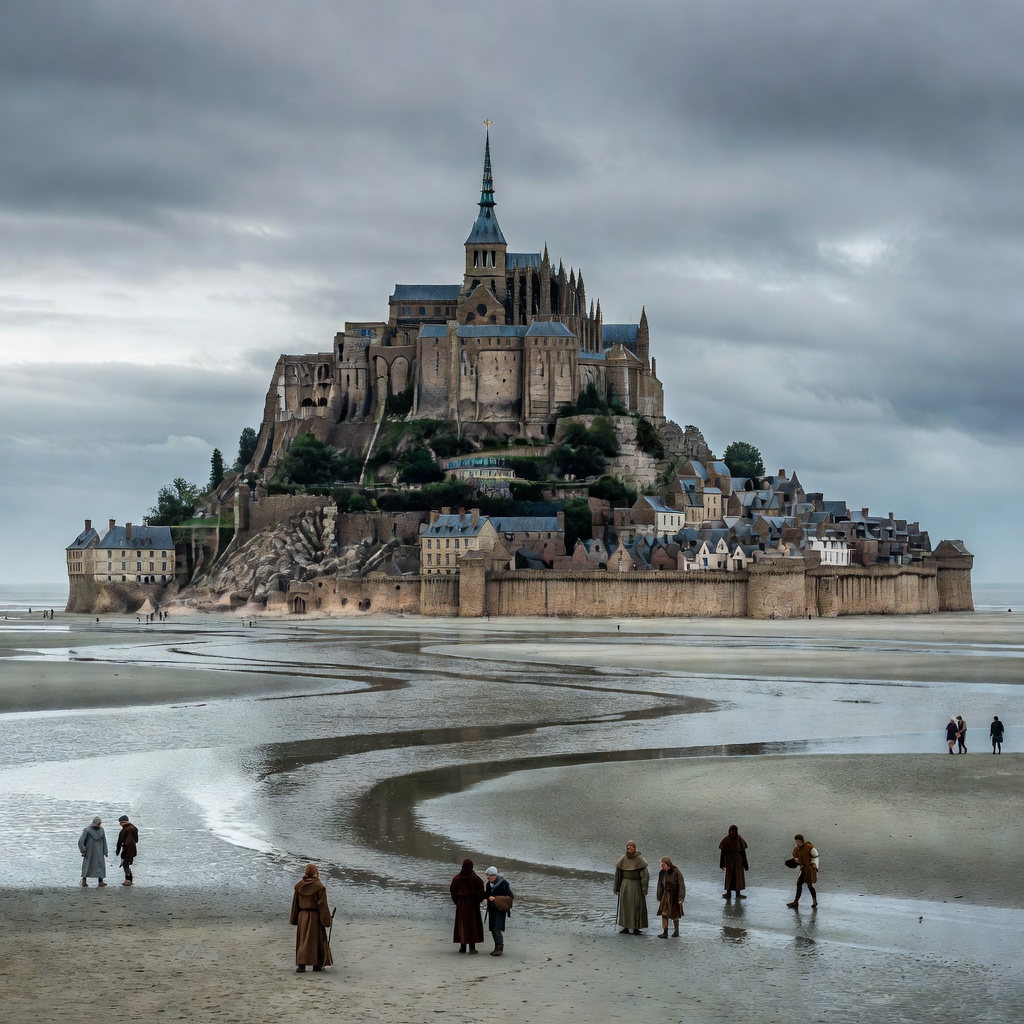
France
A medieval abbey on a tidal island. Check tide tables and consider staying nearby to see it after the day crowds leave.
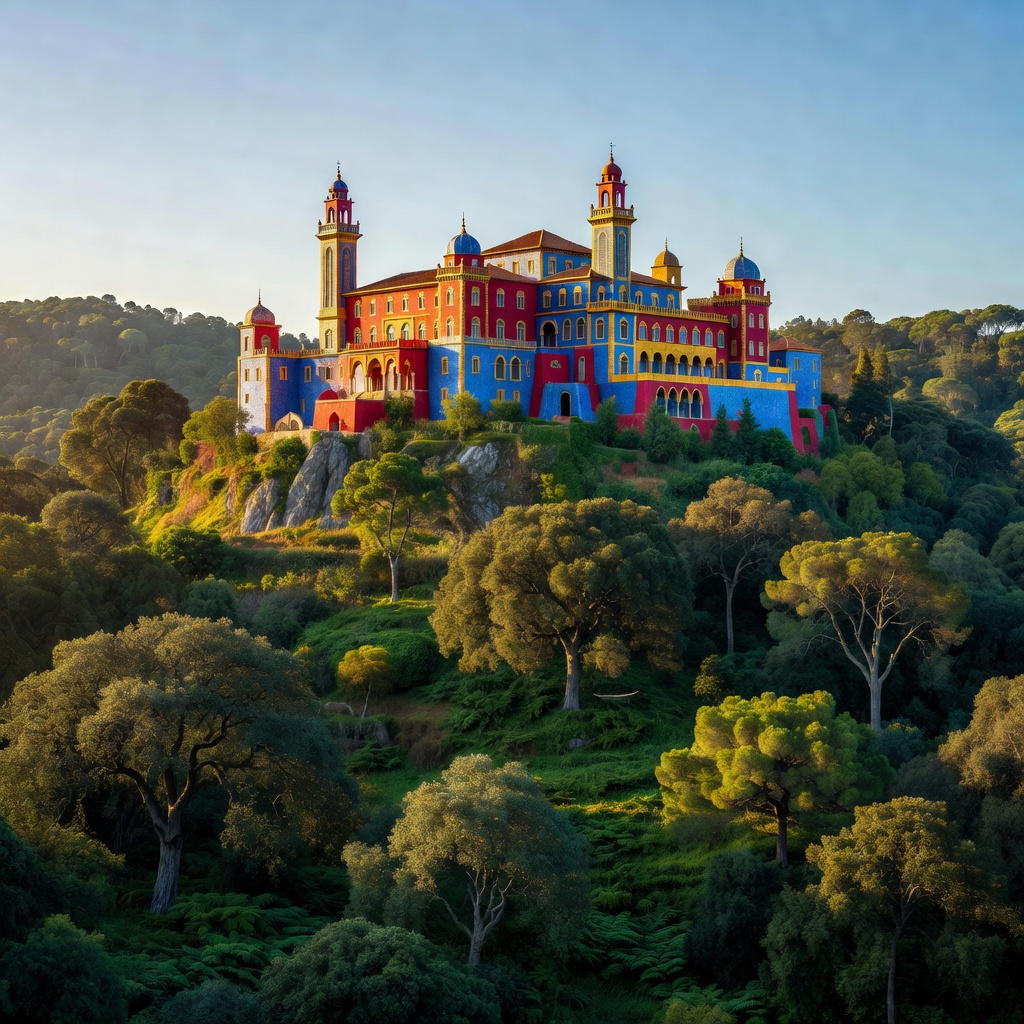
Portugal
Romantic palaces in forested hills, a short train ride from Lisbon. Arrive early; paths get busy by late morning.
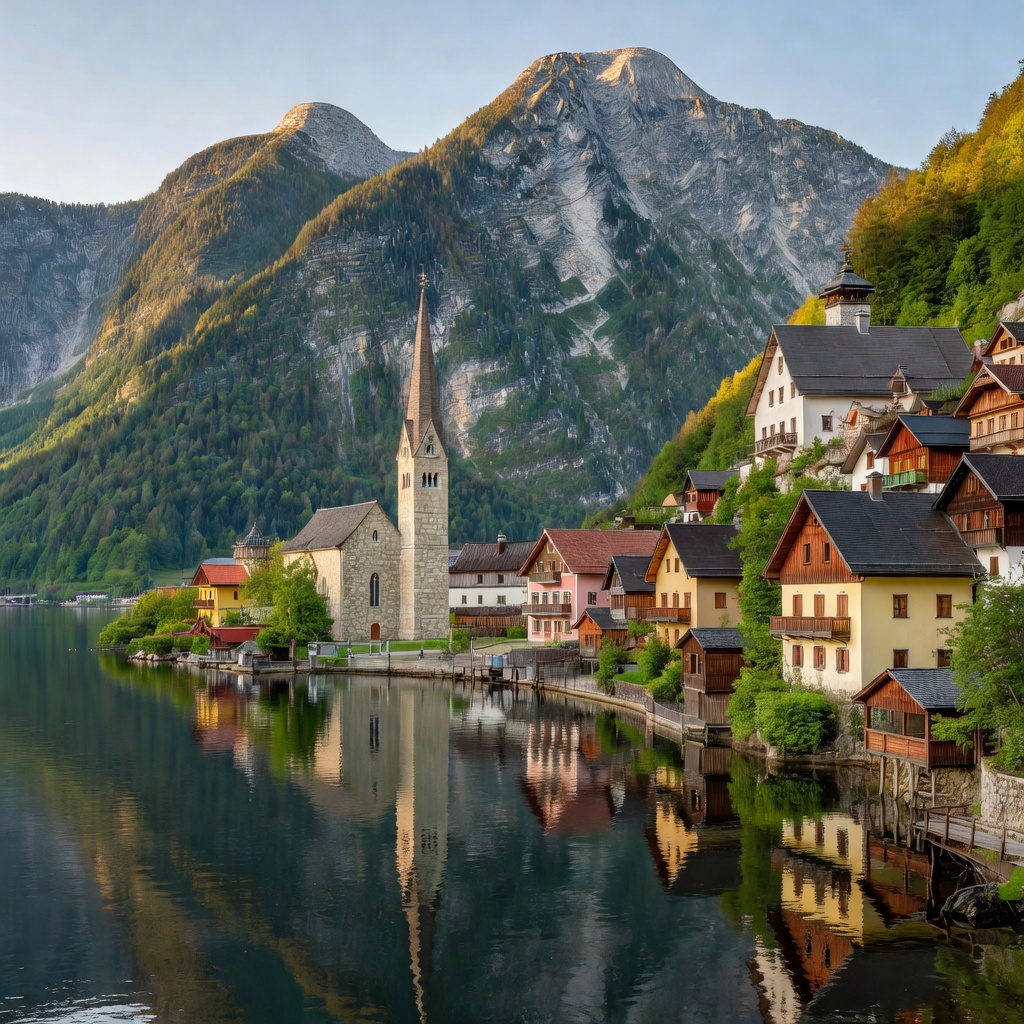
Austria
A lakeside village beneath steep peaks. Visit early or stay overnight, and remember people live here — keep noise down.
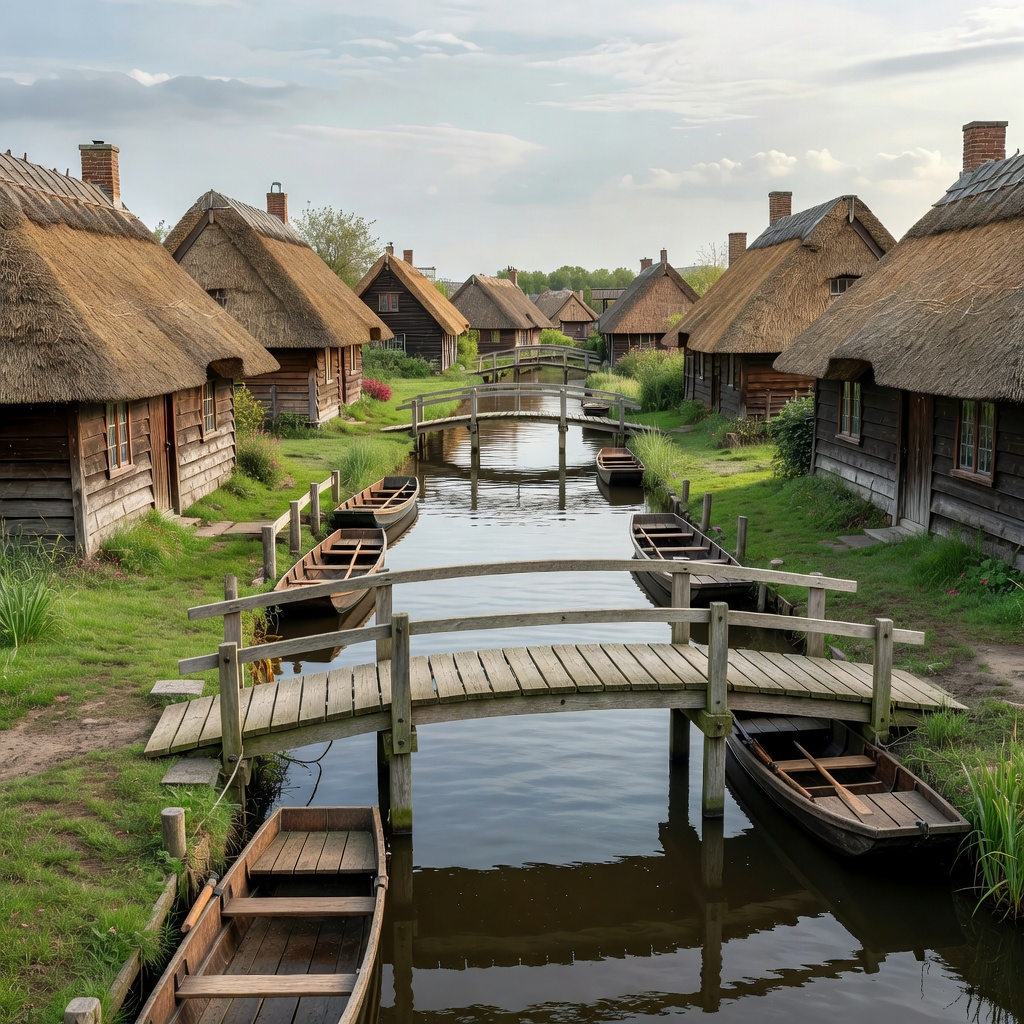
Netherlands
Canals, footbridges and thatched farmhouses, best explored by quiet electric boat or canoe.
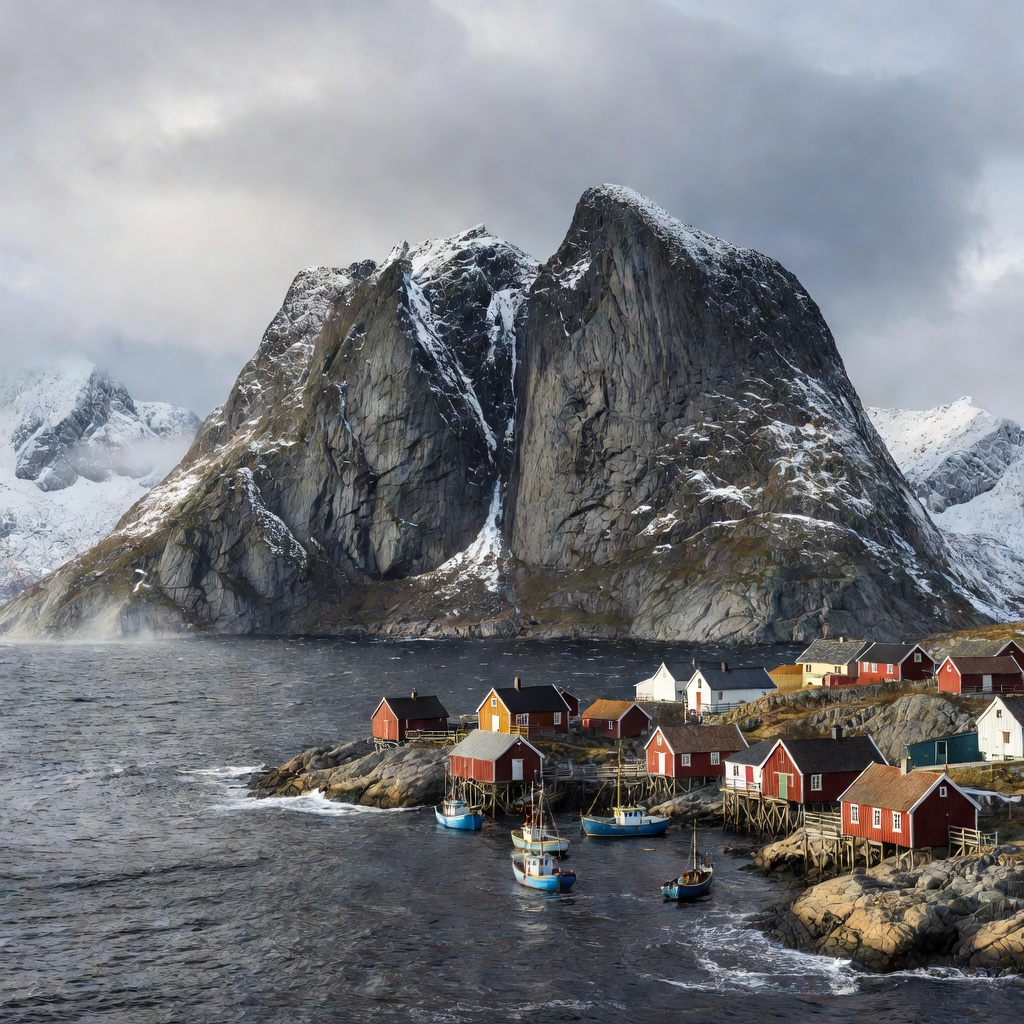
Norway
Peaks rising straight from the sea, red fishing cabins and pale-sand coves. A car gives the most freedom.
03 Cities
Most first trips revolve around cities. The trick is matching the number of nights to the kind of city.
| City type | Cities | Suggested stay | Why |
|---|---|---|---|
| Big-hitter cities | Paris, Rome, Barcelona, Madrid, Vienna, Athens, Amsterdam, Lisbon | 3–4 days | Major museums, many neighbourhoods and strong day-trip options |
| Compact classics | Florence, Venice, Seville, Porto, Salzburg, Dubrovnik, Split | 2–3 days | Walkable historic centres packed with sights |
| Gateways & modern hubs | Zurich, Lucerne, Interlaken, Innsbruck, Rotterdam, Oslo, Bergen, Tromsø | 1–2 days | Excellent links to lakes, mountains, fjords and Arctic landscapes |
Paris or Rome for a first trip? Paris suits travellers drawn to art, fashion and café life, and its Metro reaches almost everywhere. Rome is more open-air — ancient history sits on street corners — but its underground network is smaller, so expect to walk a lot more.
Barcelona or Madrid? Barcelona blends city and beach with Gaudí's architecture at every turn. Madrid is stronger for classic art museums, grand parks and late-night dining, and makes an easy rail hop to Seville.
Lisbon or Porto? Lisbon is hilly, atmospheric and close to Sintra. Porto is smaller, often cheaper and easy to cover in two days, with port cellars just across the river.
Vienna or Salzburg? Vienna offers imperial scale, coffee houses and Schönbrunn Palace. Salzburg is intimate, Mozart-steeped and the natural base for a Hallstatt day trip.