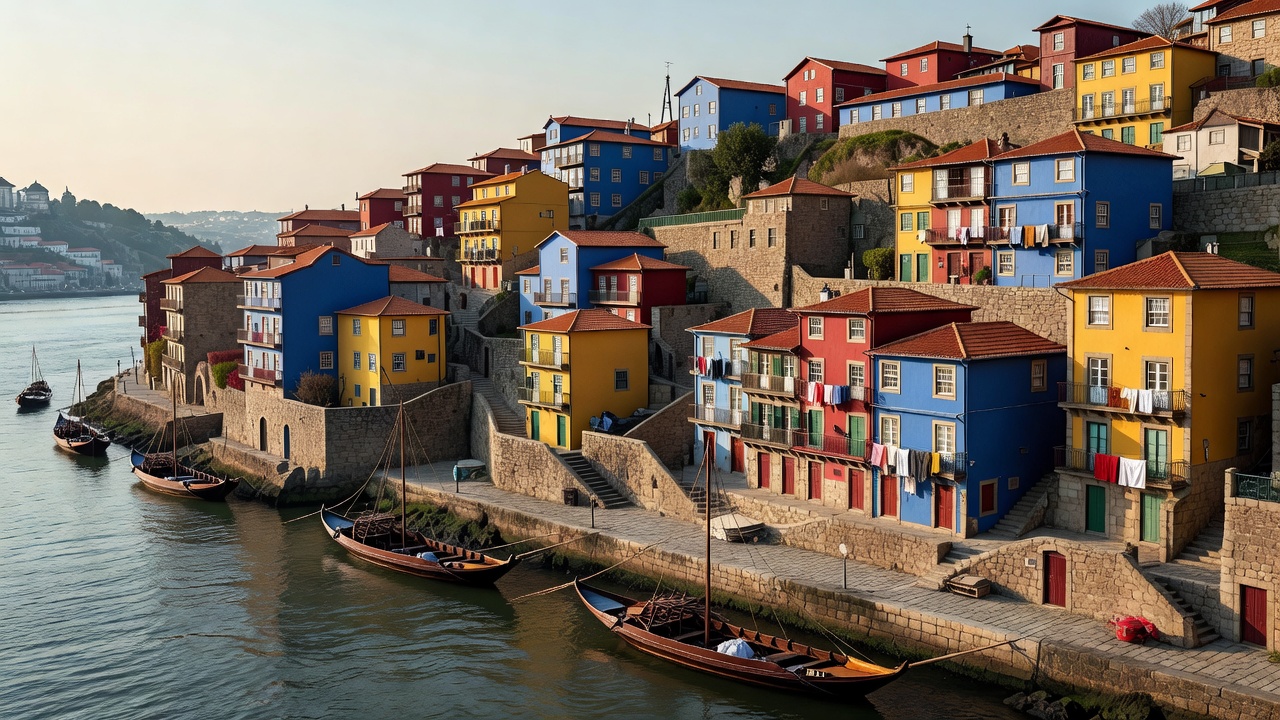
Colourful riverside buildings and boats along the Douro in Porto, Portugal

Guide 04 · Hotels & transportation

Where to stay and how to get around

Location beats star ratings, and trains beat planes more often than you might think. Here is how to choose both wisely.

01 Hotels

Choosing where to sleep

In European cities, a well-located mid-range hotel usually beats a luxurious one on the outskirts. Being able to walk back for a mid-afternoon rest — or stroll home after a late dinner — transforms a trip. Rooms in historic centres are often smaller than travellers from other continents expect, and older buildings may lack lifts, so check before booking if stairs are a concern.

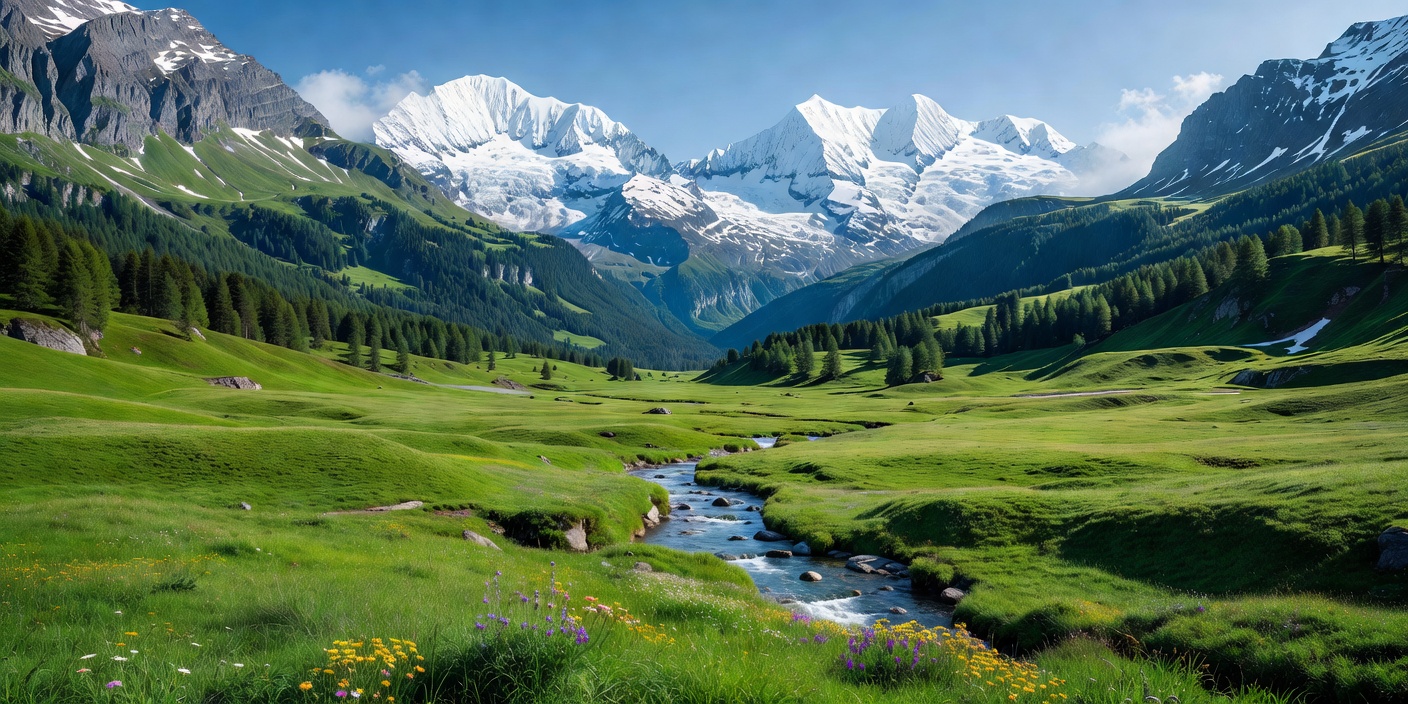
Relative costs vary widely. Switzerland and Norway are consistently expensive; Paris, Amsterdam, Venice and the Amalfi Coast command premium rates in peak season; Portugal, Greece and Croatia often offer better value outside July and August. Some cities, including Amsterdam and Barcelona, regulate short-term apartment rentals, so choose licensed properties.

Accommodation types compared. Relative cost: £ lower, £££ higher.
TypeBest forProsConsRelative cost
City hotelShort city breaksReception, flexibility, central locationsSmall rooms in old centres££–£££
Boutique hotelCouples, design loversCharacter and personal serviceLimited rooms sell out fast££–£££
Apartment rentalFamilies, longer staysKitchen, space, local feelRegulations; no front desk£–£££
Guesthouse / B&BIslands, villagesLocal hosts and insider tipsFewer facilities£–££
Heritage staysSpecial occasionsCastles and monasteries run as paradores (Spain) and pousadas (Portugal)Often outside city centres££–£££
Mountain lodge or hutHikers in the Swiss Alps and AustriaSunrise views, trail accessBasic rooms, seasonal opening£–££
Rorbuer cabinsLofoten IslandsConverted fishermen's cabins on the waterRemote; car usually needed££–£££

Where to stay in six cities

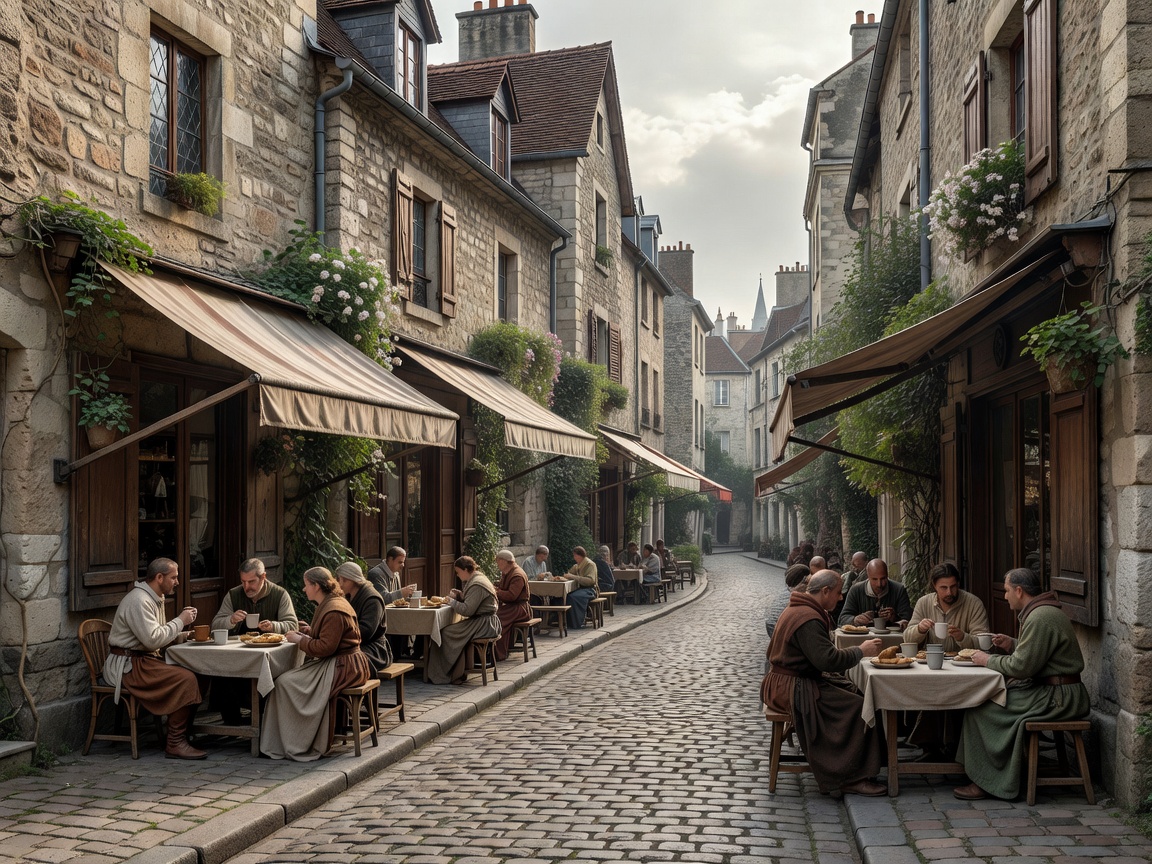
A narrow cobbled street lined with cafés in Le Marais, Paris

Paris

Le Marais or Saint-Germain

Le Marais is lively, historic and full of small galleries and cafés. Saint-Germain on the Left Bank is classic and elegant, within walking distance of the Louvre Museum and the Seine. Both are central and well served by the Metro.

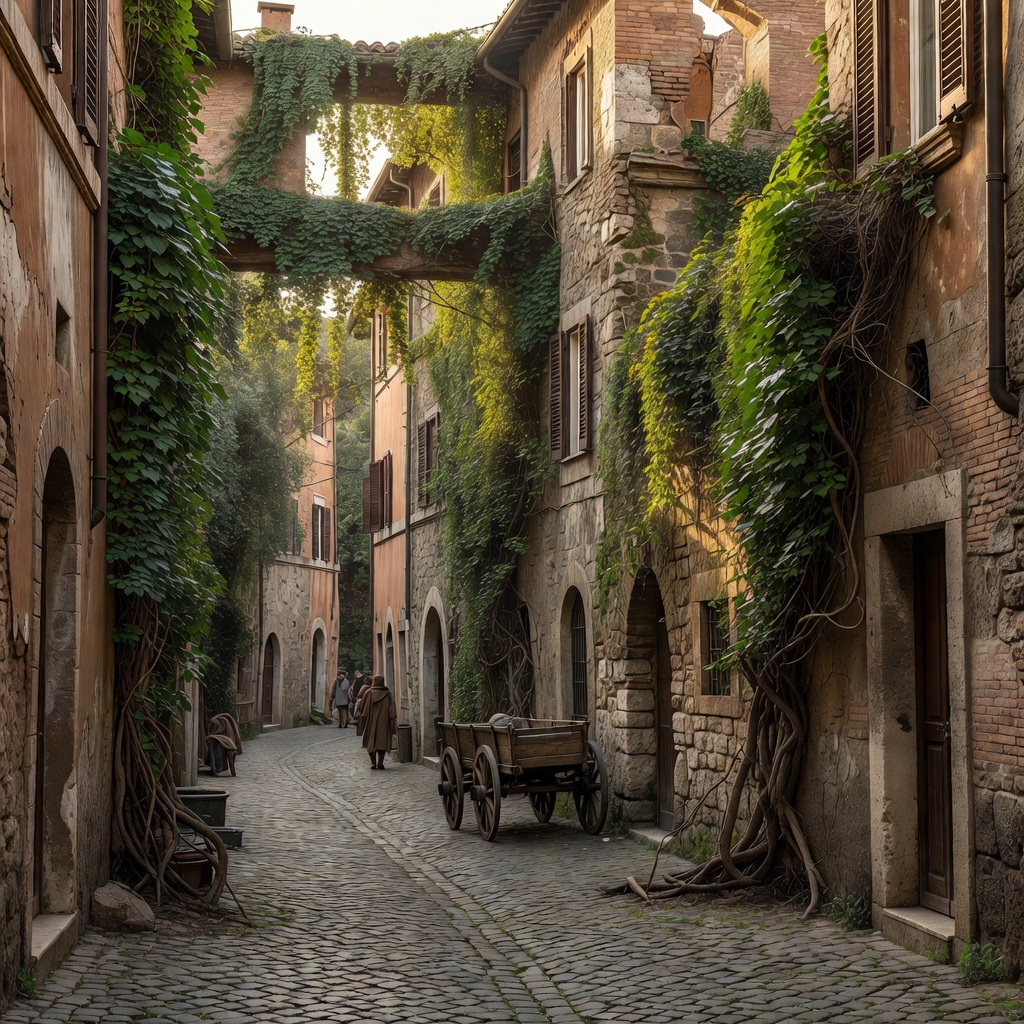
Ivy-covered buildings on a lane in Trastevere, Rome

Rome

Centro Storico or Trastevere

Walk to most sights from the historic centre; Trastevere adds evening atmosphere.

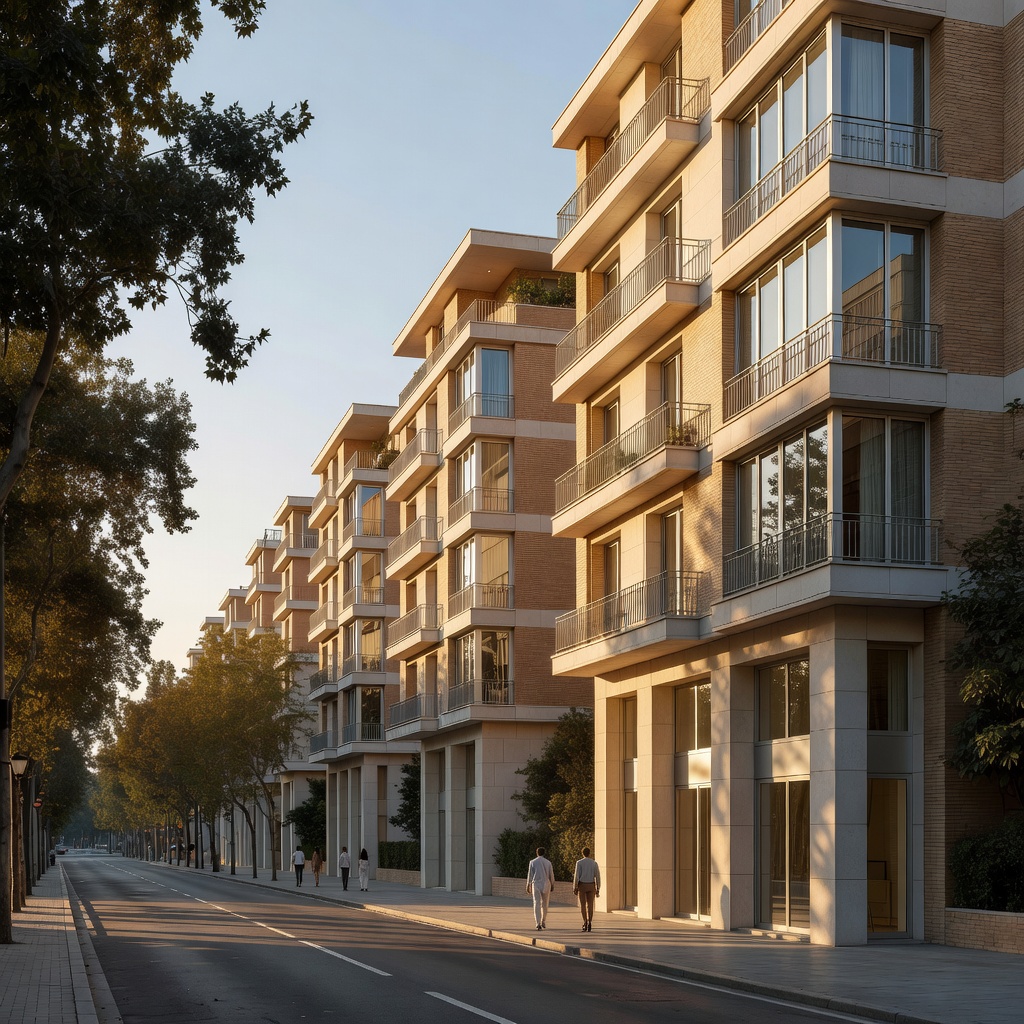
Elegant modernist apartment blocks in Barcelona's Eixample district

Barcelona

Eixample or Gothic Quarter

Eixample is calmer with grand boulevards; the Gothic Quarter is atmospheric but noisier.

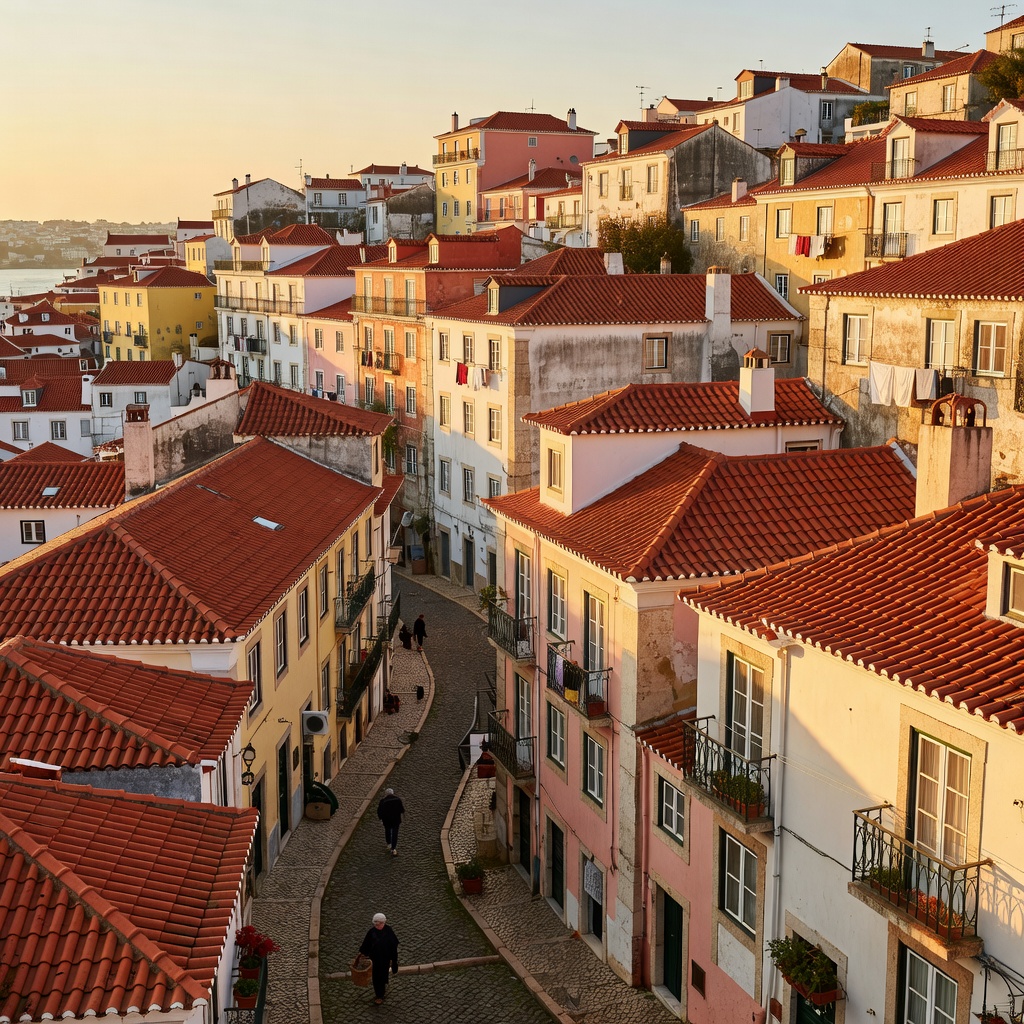
Hillside houses and terracotta roofs of Alfama in Lisbon

Lisbon

Baixa, Chiado or Alfama

Baixa and Chiado are flat-ish and central; Alfama is charming but very hilly.

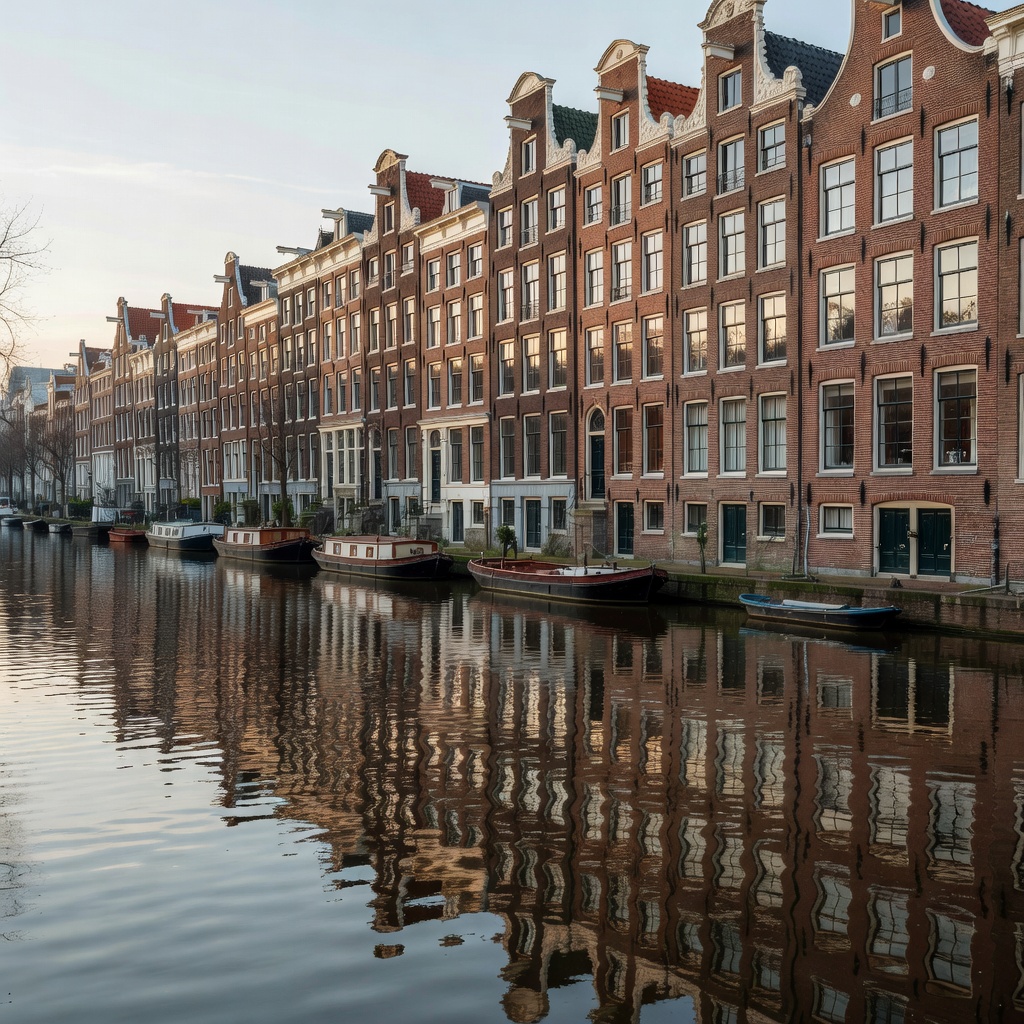
Narrow canal houses reflected in the water in the Jordaan, Amsterdam

Amsterdam

Canal Ring or Jordaan

Picture-perfect and central; expect steep, narrow staircases in canal houses.

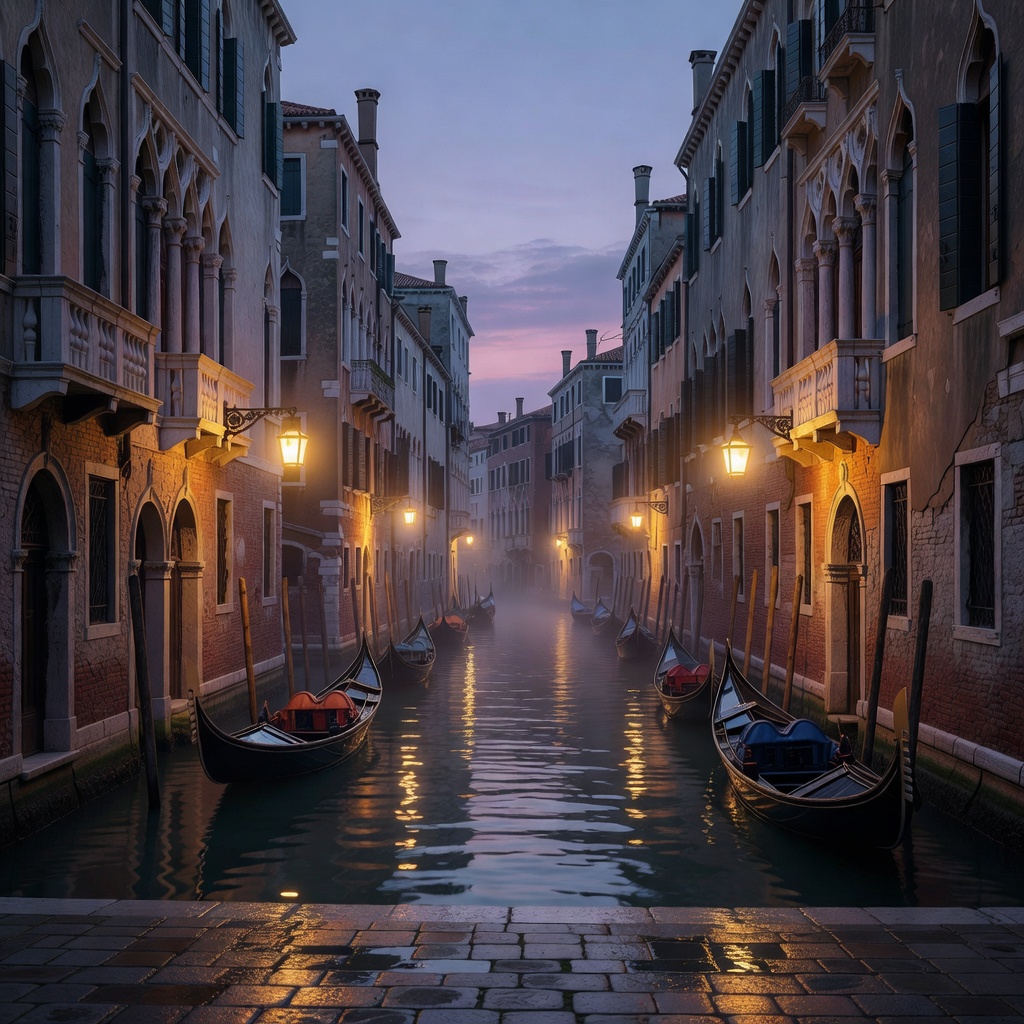
A quiet Venetian canal lit by lanterns in the evening

Venice

Stay on the islands

Sleeping in the historic centre lets you enjoy Venice after day visitors leave.

02 Transportation

Getting around, efficiently

High-speed rail is the backbone of travel between major cities: TGV INOUI in France, Frecciarossa and Italo in Italy, AVE in Spain, Railjet in Austria and Eurostar between Paris and Amsterdam. City-centre to city-centre, trains often match or beat flights on journeys of up to about four hours once airport transfers and security are counted.

Scenic railways are an attraction in themselves. The Bergen Line crosses mountain plateaus between Oslo and Bergen, and Swiss panoramic routes link Lucerne, Interlaken and Lake Geneva. ÖBB Nightjet sleeper trains connect Vienna, Innsbruck and other cities overnight, saving a night's accommodation.

Ferries are essential for islands. Greek island ferries depart from Athens' port of Piraeus to Santorini, Mykonos and Crete, while Jadrolinija and catamaran operators connect Split, Hvar and Dubrovnik along the Dalmatian Coast. Summer schedules are far busier than winter ones.

Rail passes: Eurail is for non-European residents and Interrail for European residents; the Swiss Travel Pass covers most Swiss trains, boats and buses. Passes suit flexible, multi-country trips, but many high-speed and night trains require paid seat reservations on top.
Transport modes compared.
ModeBest forProsCons
High-speed trainParis, Rome, Florence, Madrid, Barcelona, ViennaCentral stations, comfort, lower emissionsFares rise close to departure
Regional trainSintra, Giethoorn area, Swiss lakesFrequent, simple, often cheapSlower; may need changes
FerryGreek and Croatian islandsScenic, connects islands directlyWeather delays; limited off-season
Rental carAlgarve, Crete, Lofoten, Norwegian Fjords, Dalmatian CoastFreedom to explore remote areasParking, tolls; restricted zones in historic centres such as Rome's ZTL
Budget flightLong jumps, e.g. Portugal to Greece or NorwayFast over long distancesBaggage fees, distant airports

Rail pass

Pros

  • Flexibility to change plans
  • Good for many long journeys

Cons

  • Reservation fees still apply on many trains
  • Poor value for only a few trips

Point-to-point tickets

Pros

  • Early-booking fares can be very cheap
  • Seat guaranteed

Cons

  • Cheap fares are usually non-refundable
  • Less spontaneity

Next guide