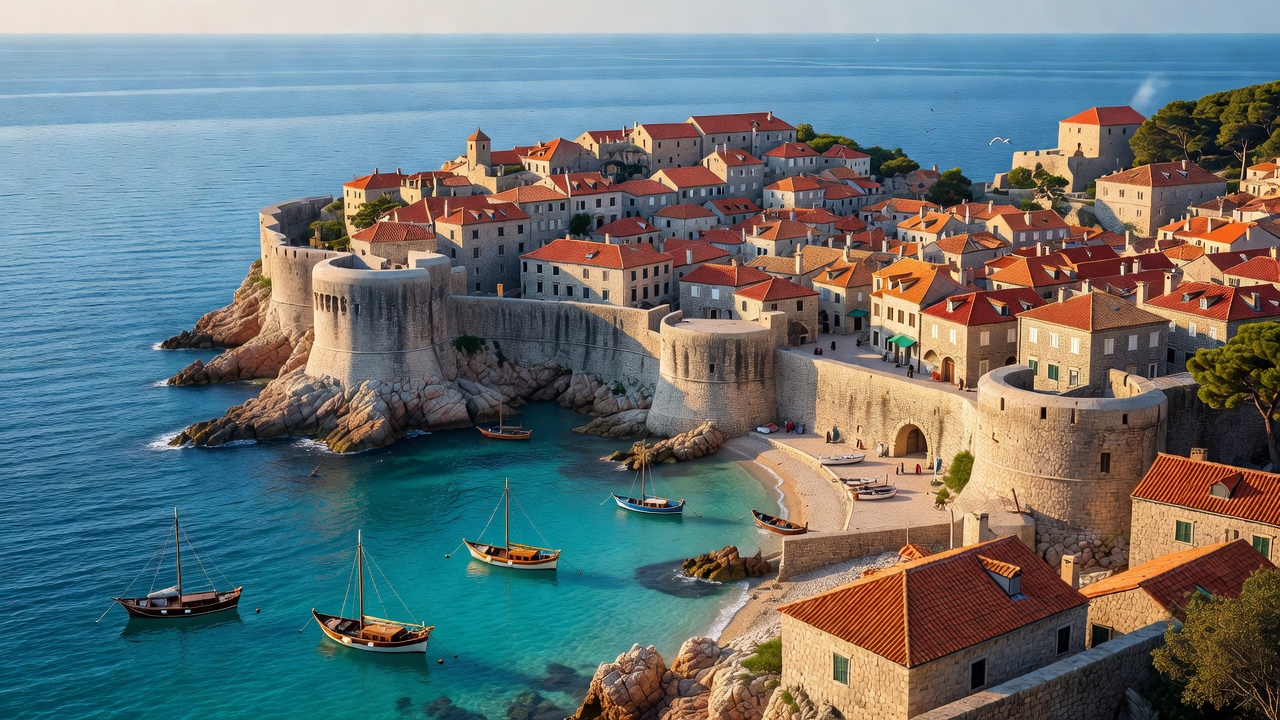
Dubrovnik's old town walls and terracotta rooftops beside the Adriatic Sea

Guide 05 · Itineraries, seasons & tips

Put it all together

Six realistic routes, the right season for each region, and the practical tips that make travel across Europe smoother.

01 Suggested itineraries

Six routes, paced for real people

Each route keeps moves to a minimum and leaves breathing room. Combine two for a longer trip.

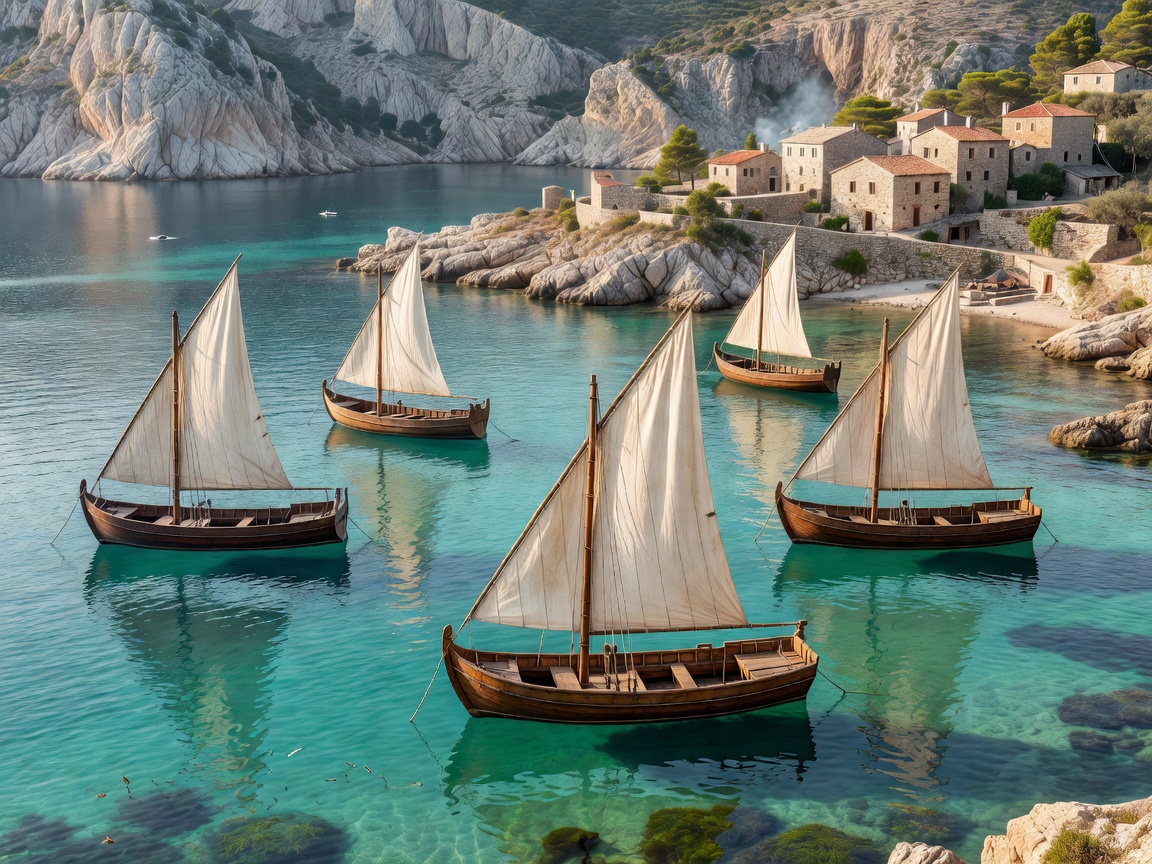
Sailing boats anchored in a turquoise bay on the Dalmatian Coast

14 days · Greece & Croatia

Islands & old towns

  1. Days 1–2: Athens and the Acropolis
  2. Days 3–5: Santorini by ferry or flight
  3. Days 6–7: Mykonos, or Crete for a slower pace
  4. Days 8–10: Fly to Dubrovnik; walk the walls
  5. Days 11–12: Ferry to Hvar
  6. Days 13–14: Split, with a long day trip to Plitvice Lakes
  • Best: May–June, September
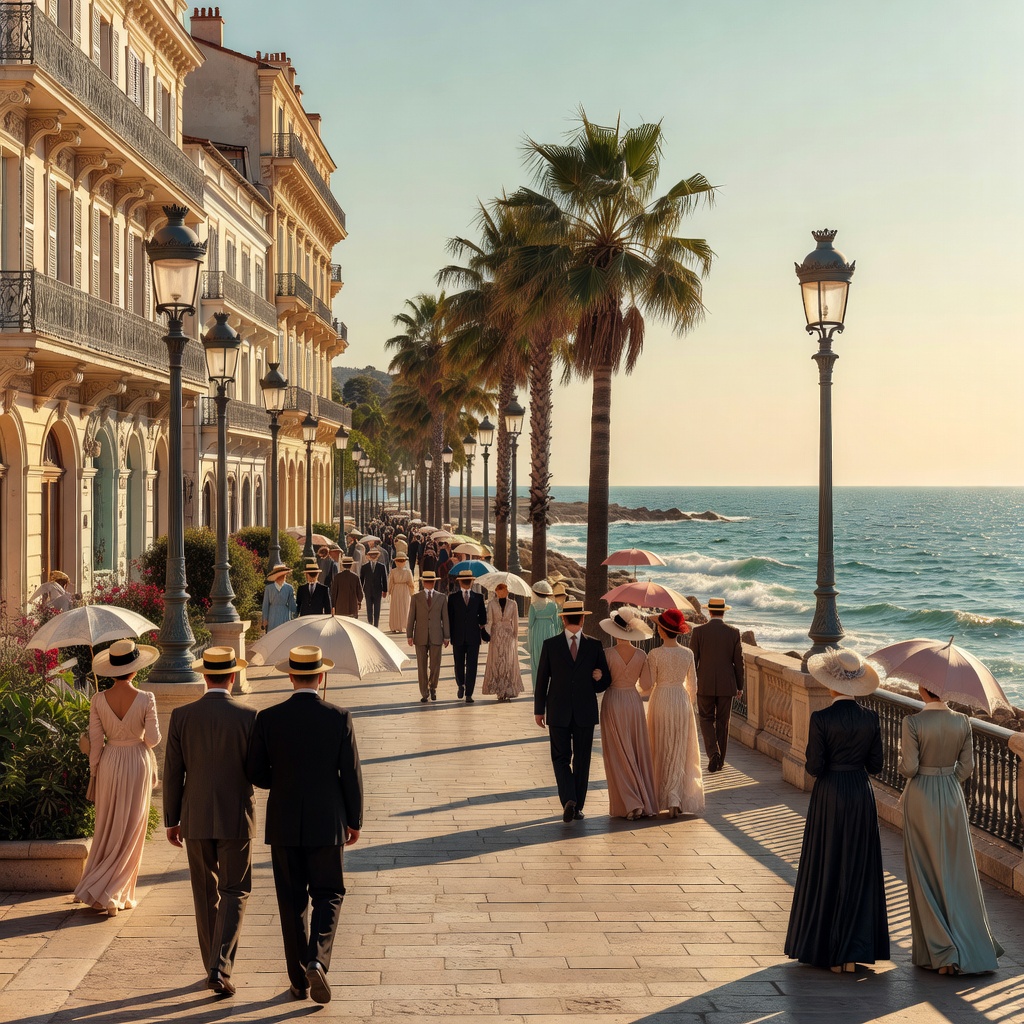
A seaside promenade on the French Riviera

7 days · France

Paris to the Riviera

  1. 1–3: Paris, Eiffel Tower, Louvre
  2. 4: Mont Saint-Michel
  3. 5–7: French Riviera by TGV or flight
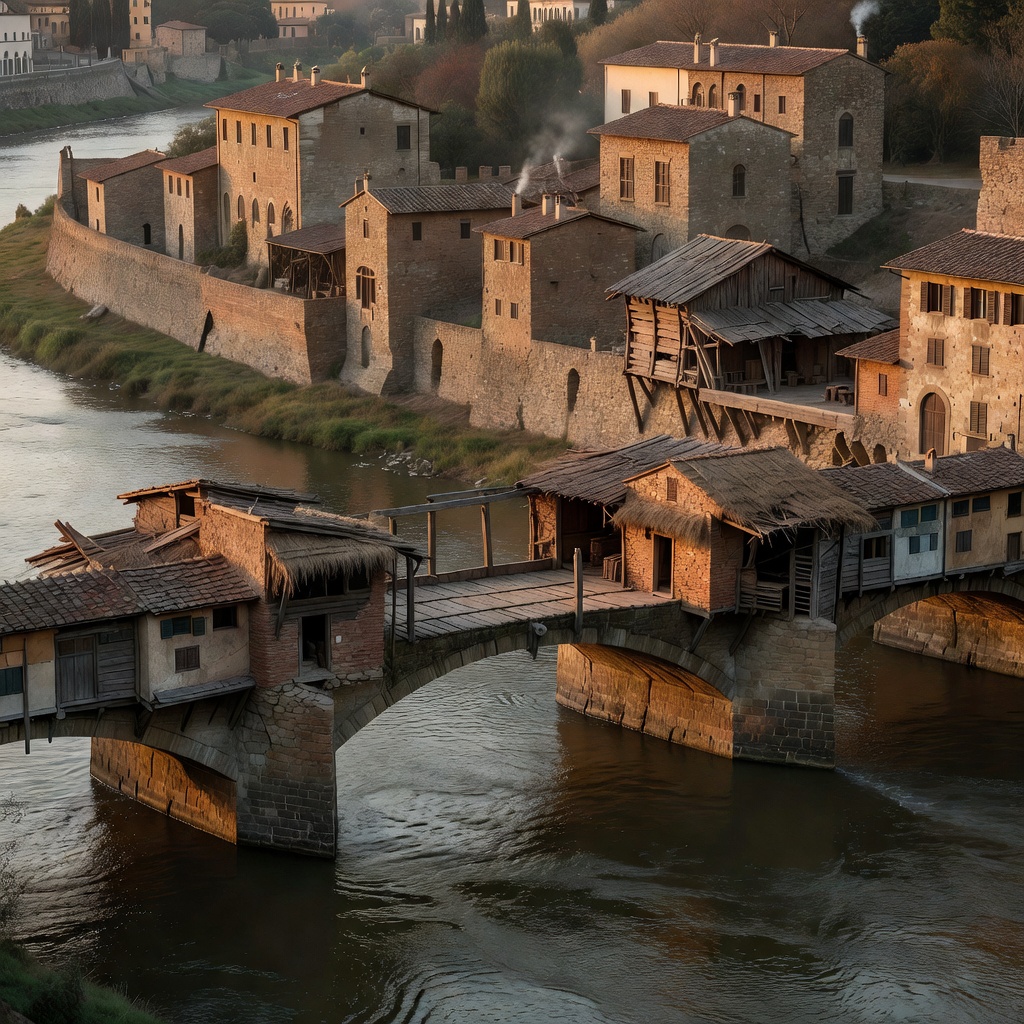
The Ponte Vecchio bridge over the Arno river in Florence

7 days · Italy

The classic trio

  1. 1–3: Rome, Colosseum, Vatican City
  2. 4–5: Florence
  3. 6–7: Venice

Add 3 days for the Amalfi Coast.

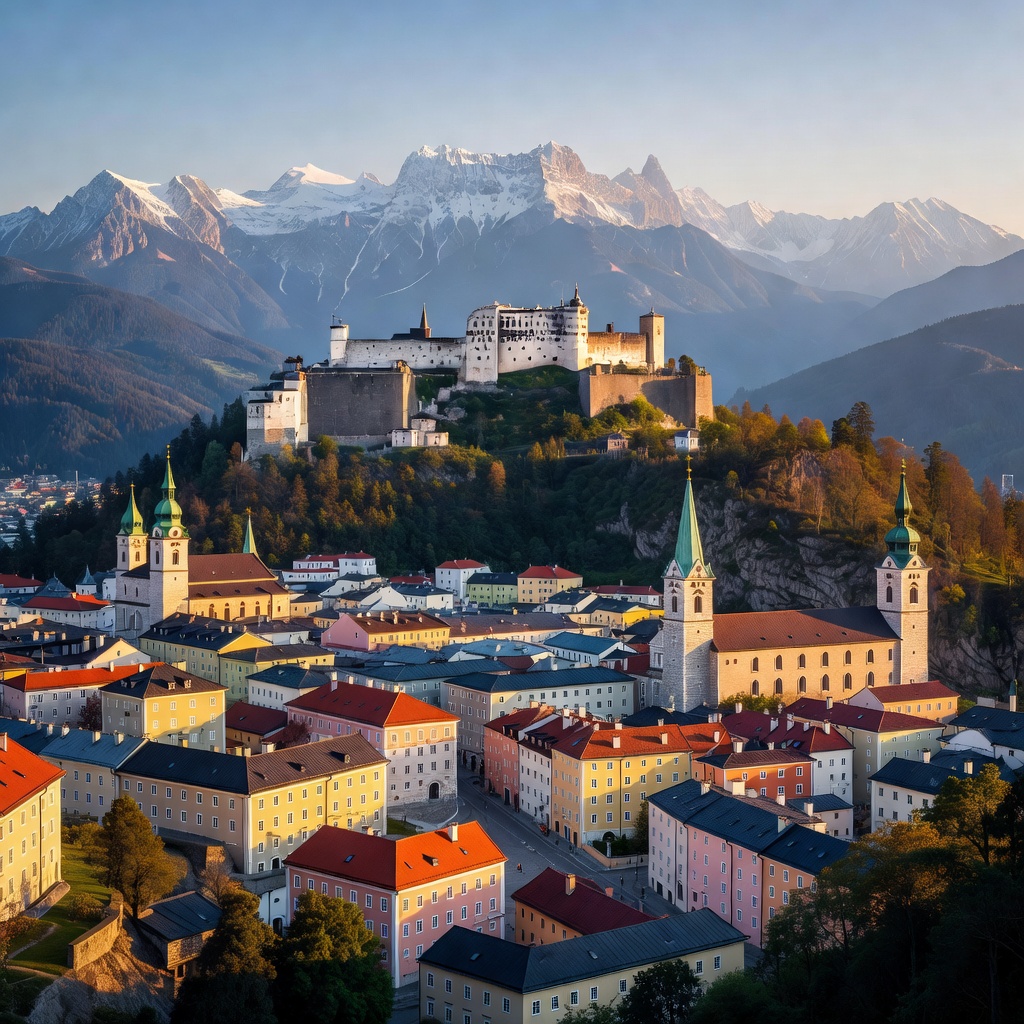
Salzburg's fortress above the old town with mountains behind

10 days · Switzerland & Austria

Alpine lakes & palaces

  1. 1: Zurich · 2–3: Lucerne
  2. 4–5: Interlaken & Swiss Alps
  3. 6: Innsbruck · 7–8: Salzburg & Hallstatt
  4. 9–10: Vienna & Schönbrunn
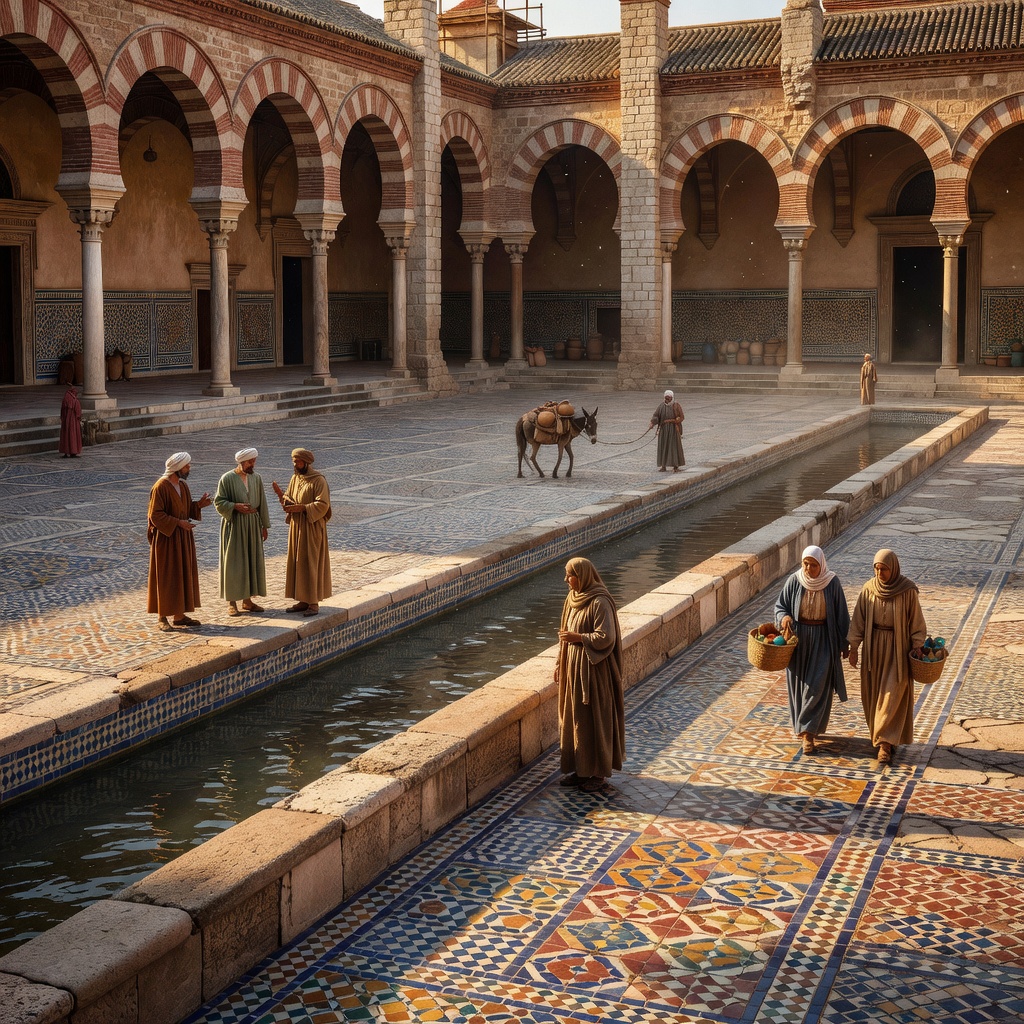
The tiled plaza and canal of a grand square in Seville, Spain

12 days · Spain & Portugal

Iberian sun

  1. 1–3: Barcelona · 4–5: Madrid
  2. 6–7: Seville
  3. 8–10: Lisbon & Sintra · 11–12: Porto

Extend with Costa del Sol, Algarve or Madeira.

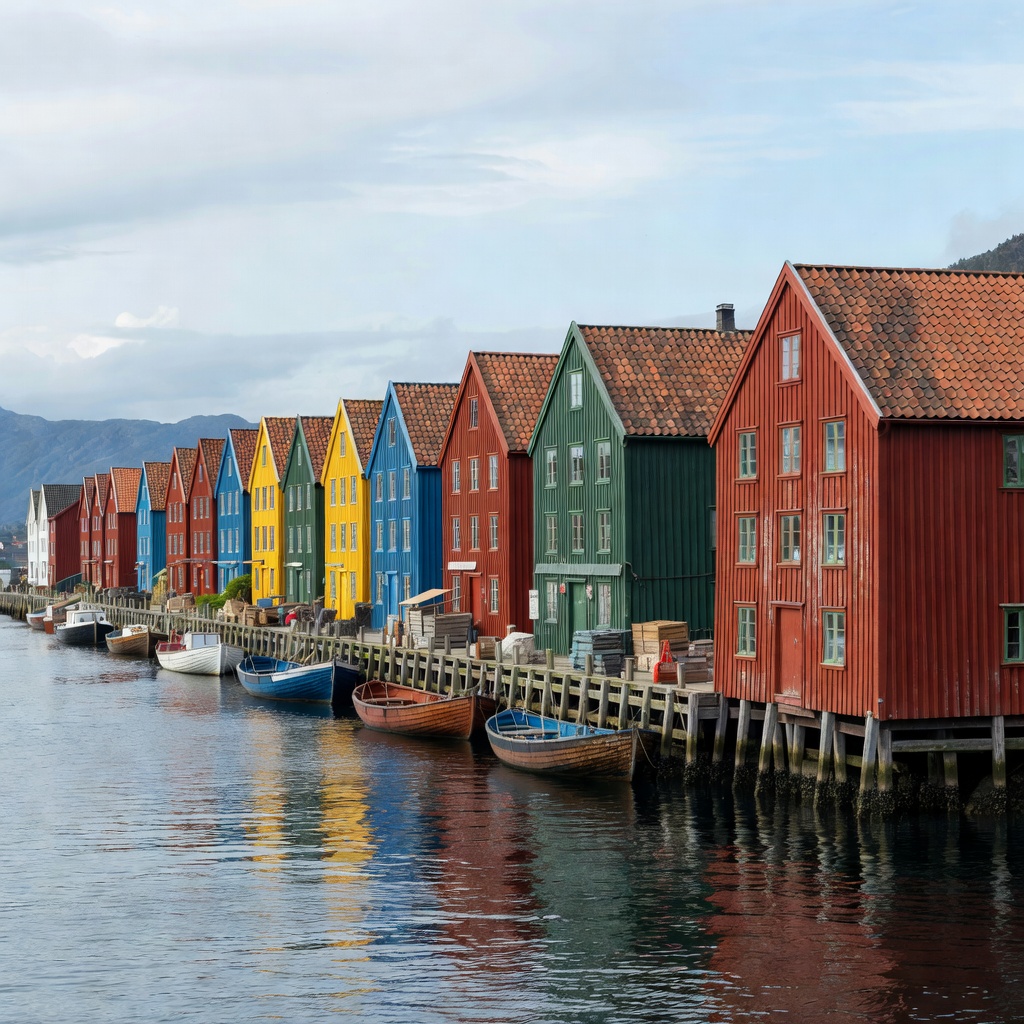
Colourful wooden warehouses along Bergen's harbour, Norway

9 days · Netherlands & Norway

Canals to fjords

  1. 1–2: Amsterdam & Rijksmuseum
  2. 3: Keukenhof or Giethoorn · 4: Rotterdam
  3. 5: Oslo · 6–7: Bergen & fjords
  4. 8–9: Tromsø or Lofoten Islands

02 Best time to visit

Timing is everything

Seasonal guide across the ten countries.
SeasonMonthsHighlightsWatch out for
SpringMarch–MayKeukenhof tulips, mild city weather, fewer crowdsSome island ferries and mountain lifts not yet at full service
SummerJune–AugustBeaches, island-hopping, alpine hiking, midnight sun in the Lofoten IslandsHeat in Seville, Athens and Rome; peak prices and crowds in July–August
AutumnSeptember–NovemberWarm seas into early autumn, harvest food, quieter landmarksShorter days; seasonal closures on islands from late October
WinterDecember–FebruaryChristmas markets in Vienna and Salzburg, skiing in the Alps, northern lights in Tromsø, Venice Carnival in FebruaryCold and short days in the north; ski-resort pricing

03 Travel tips

Small habits, smoother trips

  1. Book timed tickets early for the Louvre, Vatican Museums, Colosseum, Sagrada Família, Acropolis and Rijksmuseum — always via official sites.
  2. Carry a contactless card, but keep some cash for small cafés, markets and island ferries.
  3. Pack for walking: cobblestones, hills and stairs are everywhere, from Lisbon to Dubrovnik.
  4. Mind your belongings in crowded metros, stations and landmark squares, where pickpocketing is the most common problem visitors face.
  5. Respect dress codes at religious sites such as St Peter's Basilica: shoulders and knees covered.
  6. Validate regional train tickets where required — in Italy, for example, unvalidated paper tickets can lead to fines.
  7. Check official entry rules for your nationality, including EU entry systems, well before departure.

04 FAQ

Frequently asked questions

How many countries can I visit in two weeks?

Two or three is comfortable. More than that and travel days start to outnumber sightseeing days. Our 14-day Greece and Croatia route is a good benchmark.

Do I need a visa?

All ten countries are in the Schengen Area, which shares common entry rules. Requirements depend on your nationality, so check official EU and government sources before booking.

Which currencies will I need?

The euro covers eight of the ten countries. Switzerland uses the Swiss franc and Norway the Norwegian krone. Cards are widely accepted in both.

Is a rail pass worth it?

It depends on how many long journeys you take and how flexible you want to be. Add up point-to-point fares for your route — including seat reservation fees — before deciding.

When is Europe cheapest?

Generally in late autumn and winter outside the holidays, except ski resorts and northern-lights areas, which peak in winter. Shoulder seasons offer the best balance of price and weather.

Do I need to book attractions in advance?

For the most famous landmarks, yes — especially from spring to autumn. Smaller museums and churches can usually be visited on the day.

Have a question about your route?

Our editorial team reads every message and answers general planning questions where we can.

Contact us