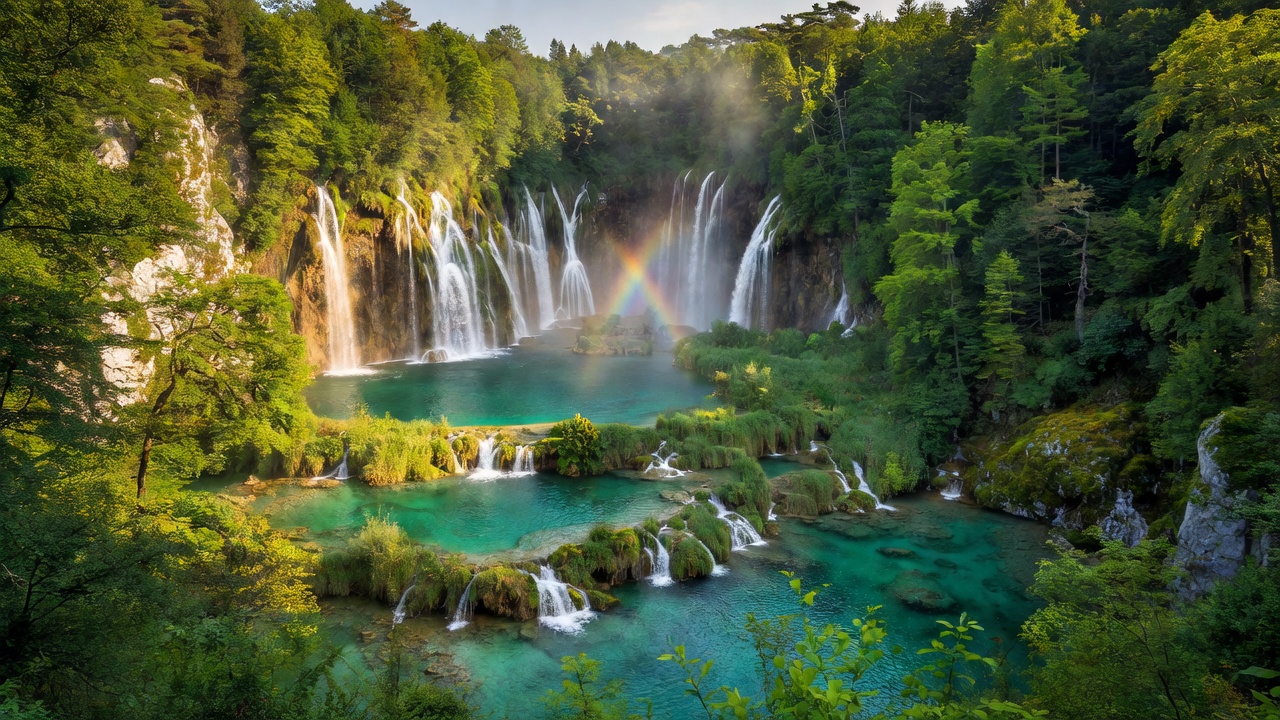
Turquoise terraced lakes and waterfalls at Plitvice Lakes National Park, Croatia

Guide 02 · Landmarks, nature & islands

Landmarks, landscapes and the islands in between

How to see Europe's most famous sights without wasted hours in queues, where to find its wildest scenery, and which coast suits your idea of a beach day.

01 Famous landmarks

Headline sights, planned properly

Europe's best-known sights draw enormous crowds, and the best visits are planned a little in advance. Official websites are the safest place to buy tickets: many attractions use timed entry, and resellers may charge more for the same slot.

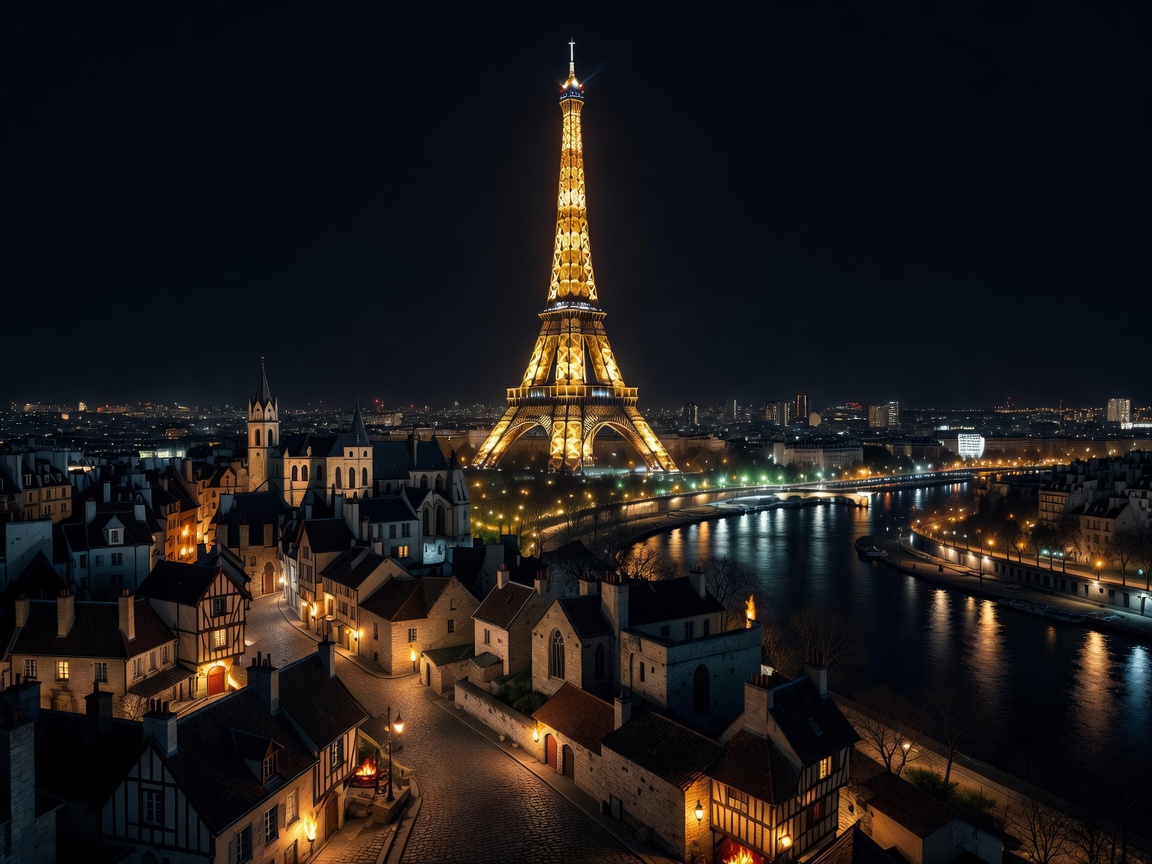
The Eiffel Tower illuminated against the night sky in Paris

Paris, France

Eiffel Tower

Built for the 1889 World's Fair, the wrought-iron tower rises about 330 metres above Paris. Book summit tickets well ahead, or climb the stairs to the second floor for a quieter, more physical experience. After dark, the tower sparkles for a few minutes at the top of each hour.

  • Book ahead
  • Allow 2–3 hours
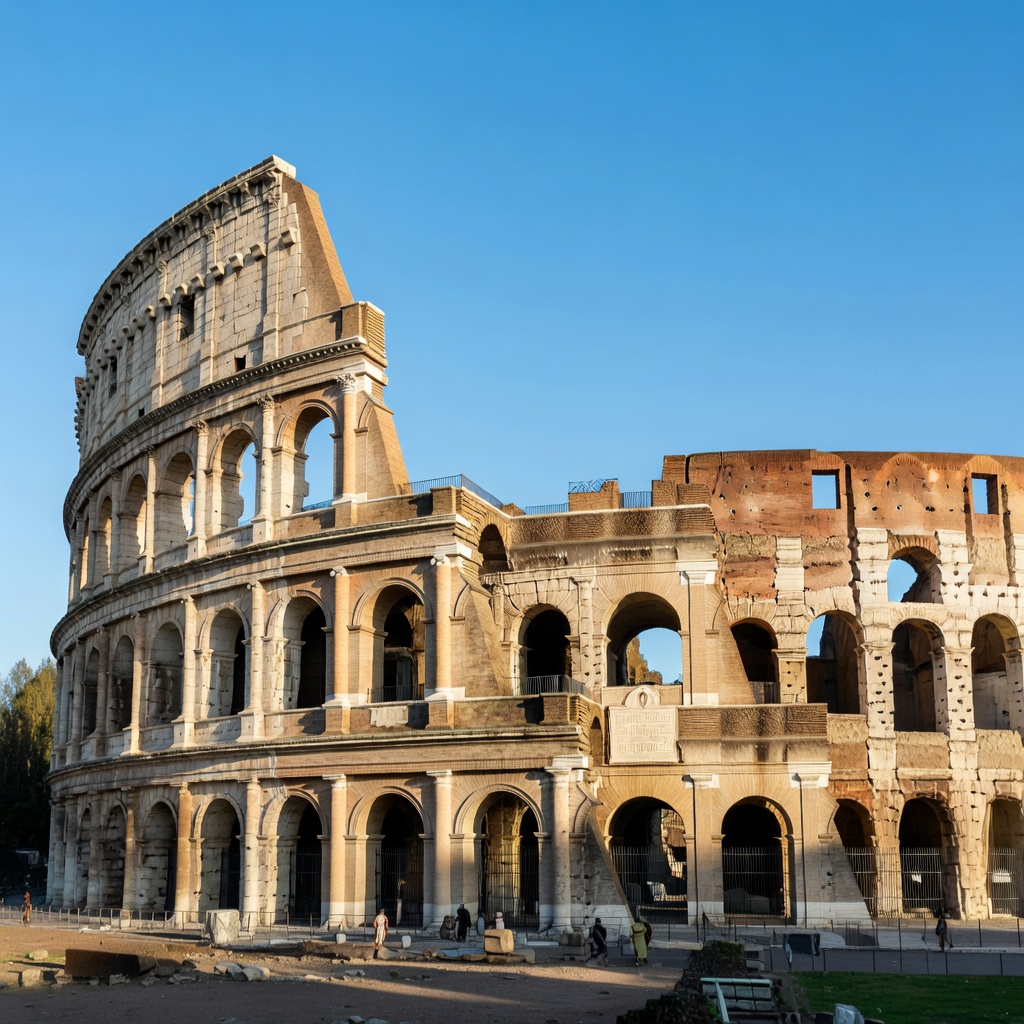
Stone arches of the Colosseum in Rome under a clear sky

Rome, Italy

Colosseum

Completed in AD 80. Standard tickets typically combine the Roman Forum and Palatine Hill — allow half a day.

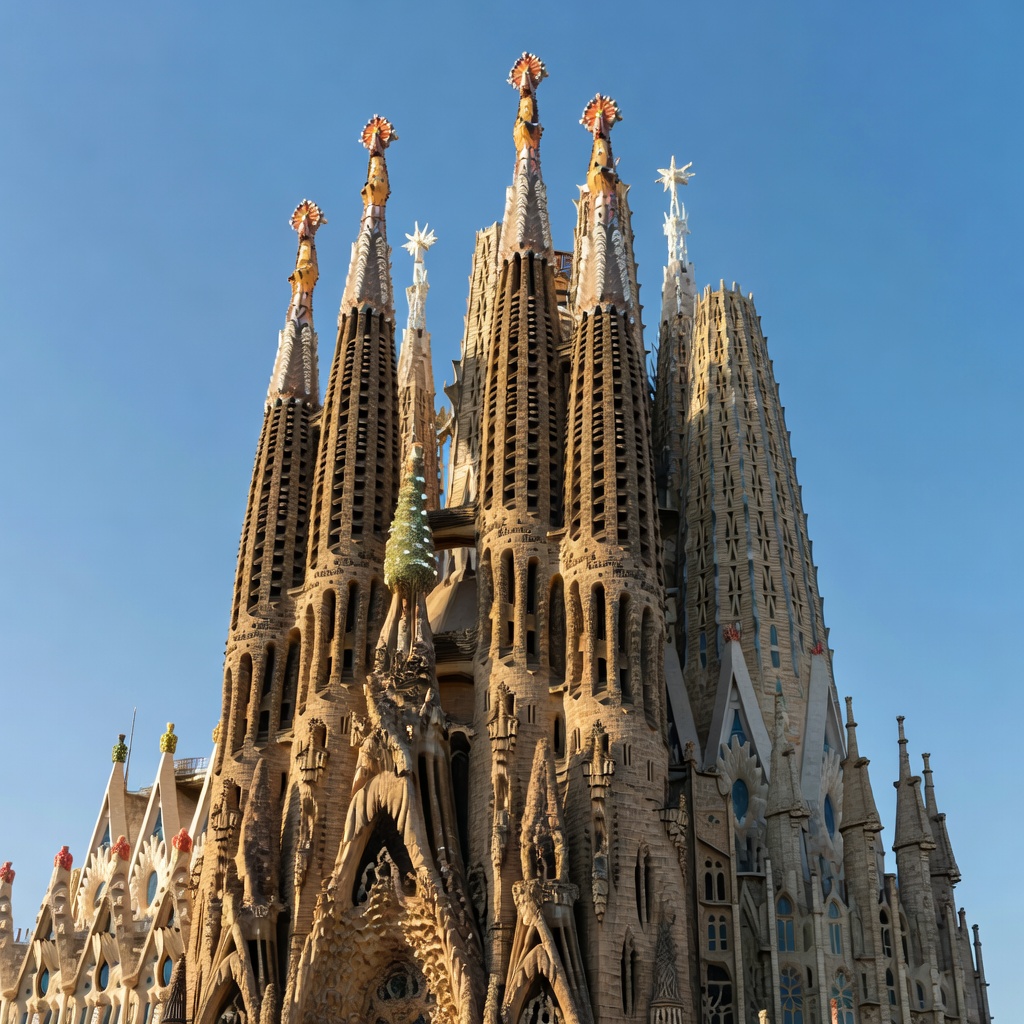
The ornate spires of the Sagrada Família basilica in Barcelona

Barcelona, Spain

Sagrada Família

Gaudí's basilica, under construction since 1882. Late-afternoon sun floods the western windows in reds and oranges.

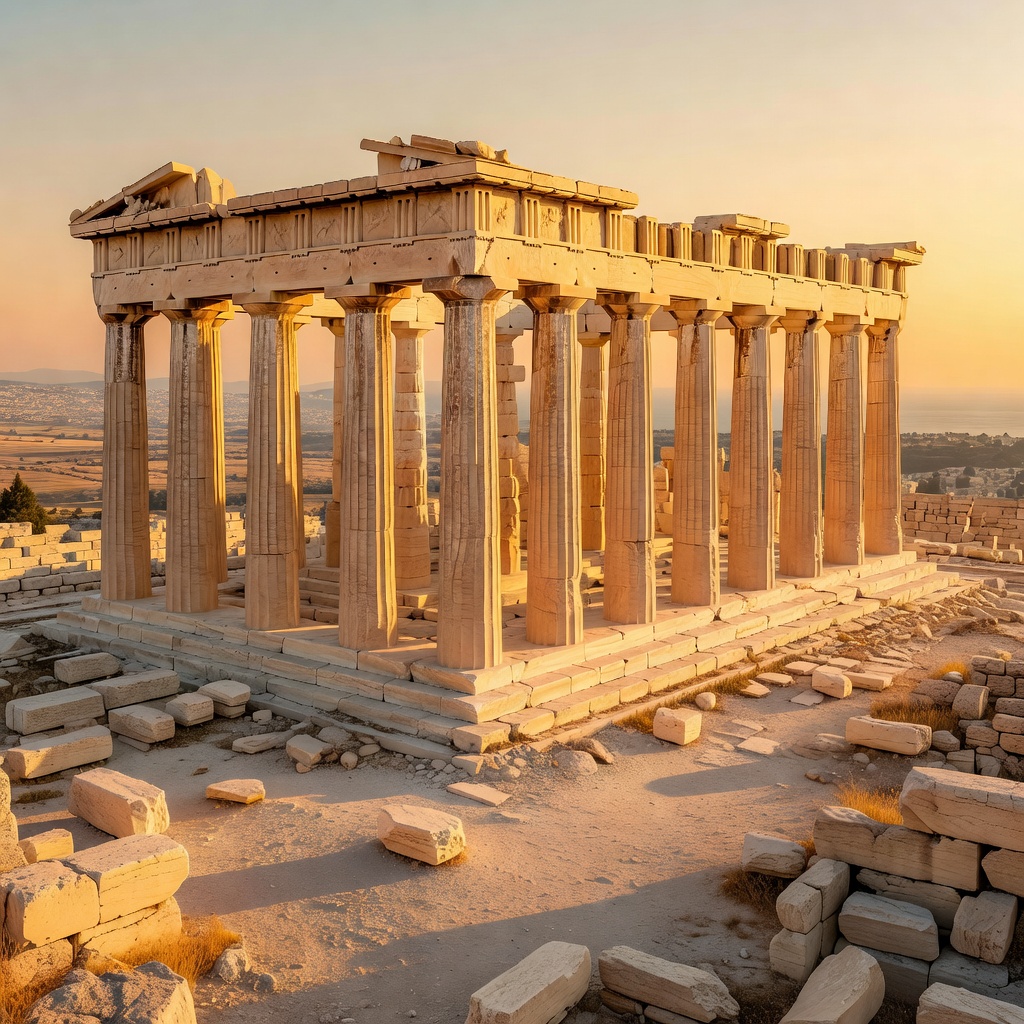
Marble columns of the Parthenon on the Acropolis in Athens

Athens, Greece

Acropolis

Go at opening time in summer: there is little shade and the marble reflects the heat.

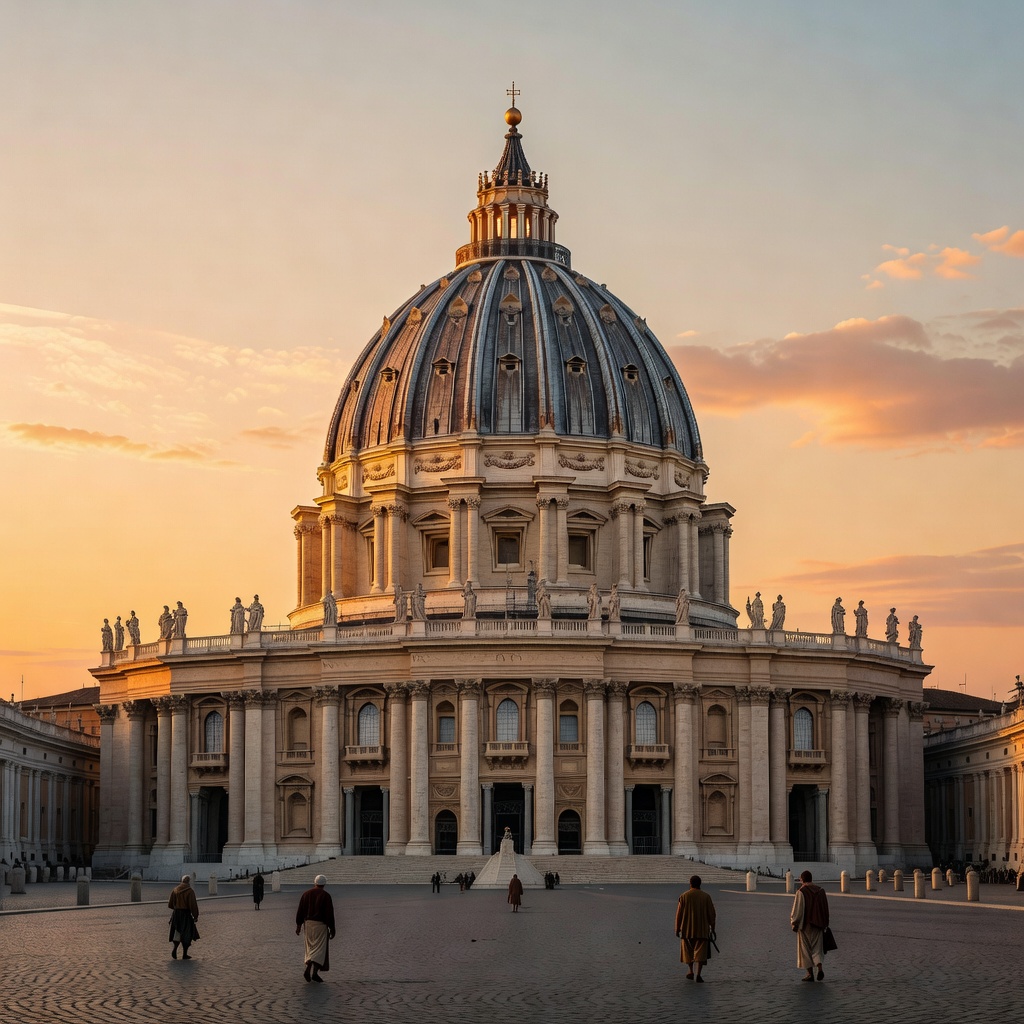
The dome of St Peter's Basilica in Vatican City

Vatican City

St Peter's & Vatican Museums

The world's smallest state, home to the Sistine Chapel. Cover shoulders and knees to enter.

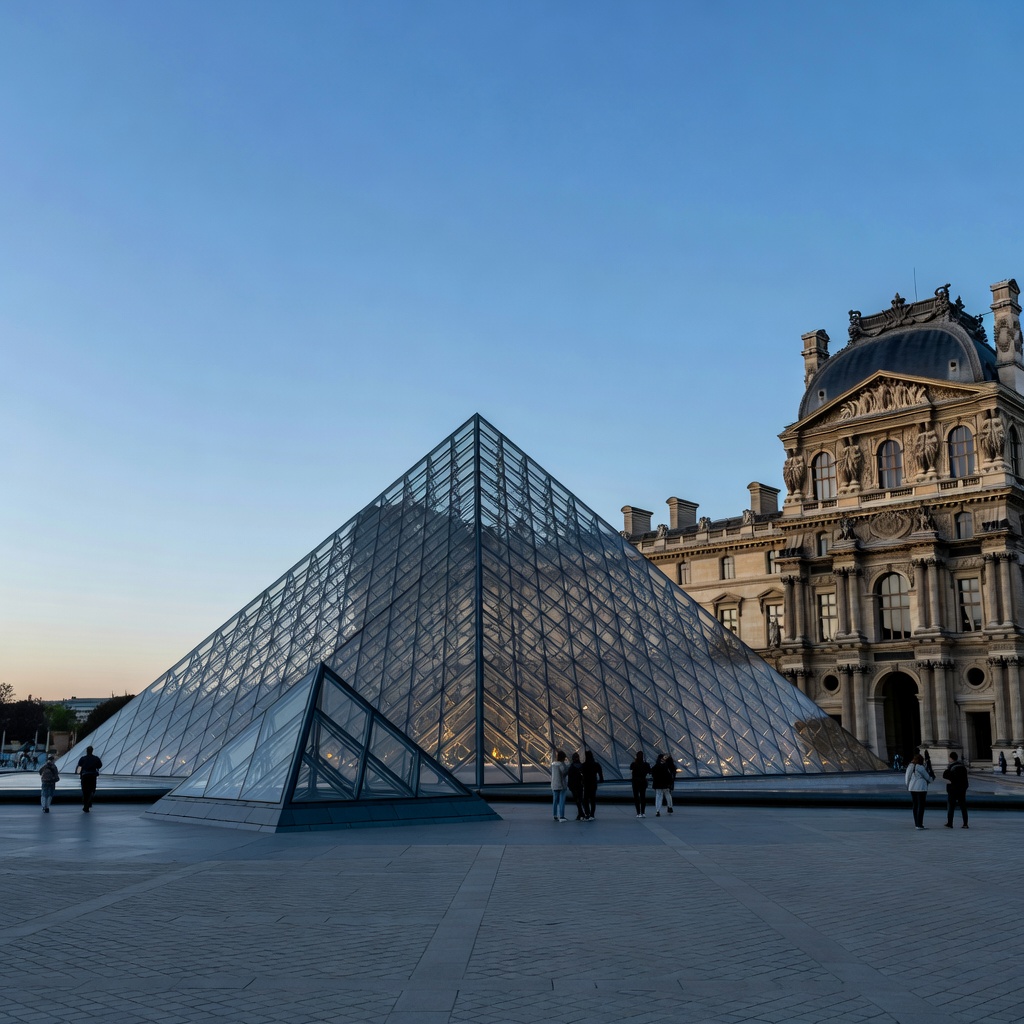
The glass pyramid entrance of the Louvre Museum in Paris

Paris, France

Louvre Museum

Home of the Mona Lisa and Venus de Milo. Pick two or three wings instead of trying to see it all.

Landmark planner. Always check official opening hours before visiting.
LandmarkBook ahead?Best timeAllow
Eiffel TowerStrongly recommendedEvening, for the city lights2–3 hours
Louvre MuseumYes — timed entryOpening time3–4 hours
ColosseumYesFirst entry slot3–4 hours with the Forum
Vatican MuseumsYesWeekday mornings3 hours
Sagrada FamíliaEssentialLate afternoon1.5–2 hours
AcropolisRecommendedOpening or final hours2 hours
Schönbrunn PalaceRecommended for palace toursMorning, gardens later2–4 hours
RijksmuseumYes — timed ticketsWeekday mornings2–3 hours
Mont Saint-MichelOptional for the abbeyEvening, after day-trippers leaveHalf a day

02 Nature & landscapes

Where Europe gets wild

Swiss Alps. Interlaken sits between two lakes and is the classic base for high-mountain railways, cable cars and hiking. Summit excursions are costly, so check live mountain webcams before paying — cloud can hide everything. Lucerne adds lake cruises and gentler peaks, while Lake Geneva pairs mountain views with terraced vineyards on its northern shore.

Austrian Alps. Innsbruck is unusual: a cable car climbs from the city centre to high alpine terrain in well under an hour, so you can combine a morning in the old town with an afternoon above the tree line. Hallstatt's lake and mountains make it one of Europe's most photographed villages.

Norwegian Fjords. Bergen is the gateway to UNESCO-listed fjord scenery. Fjord cruises, scenic rail and ferries link sheer cliffs, waterfalls and tiny farms. Further north, Tromsø is a popular base for northern-lights trips, and the Lofoten Islands offer hiking, kayaking and Arctic beaches.

Plitvice Lakes. Croatia's best-known national park is a chain of sixteen terraced lakes linked by waterfalls, explored on wooden boardwalks. Swimming is not permitted. Arrive at opening time to walk the boardwalks before tour groups.

Keukenhof. In spring, this garden near Amsterdam bursts with tulips, daffodils and hyacinths. It opens for only a few weeks each year, roughly mid-March to mid-May.
Swiss Alps

Pros

  • Dense network of trails, trains and lifts
  • Easy to explore without a car

Cons

  • Summit excursions are expensive
  • Popular viewpoints are busy in summer

Norwegian Fjords

Pros

  • Vast, dramatic and relatively undeveloped
  • Long summer daylight for exploring

Cons

  • Long travel times between sights
  • Rain is common; prices are high

03 Beaches & islands

Choosing your coast

From volcanic Greek islands to Atlantic cliffs, Europe's coastlines vary enormously. Here is how the main options compare.

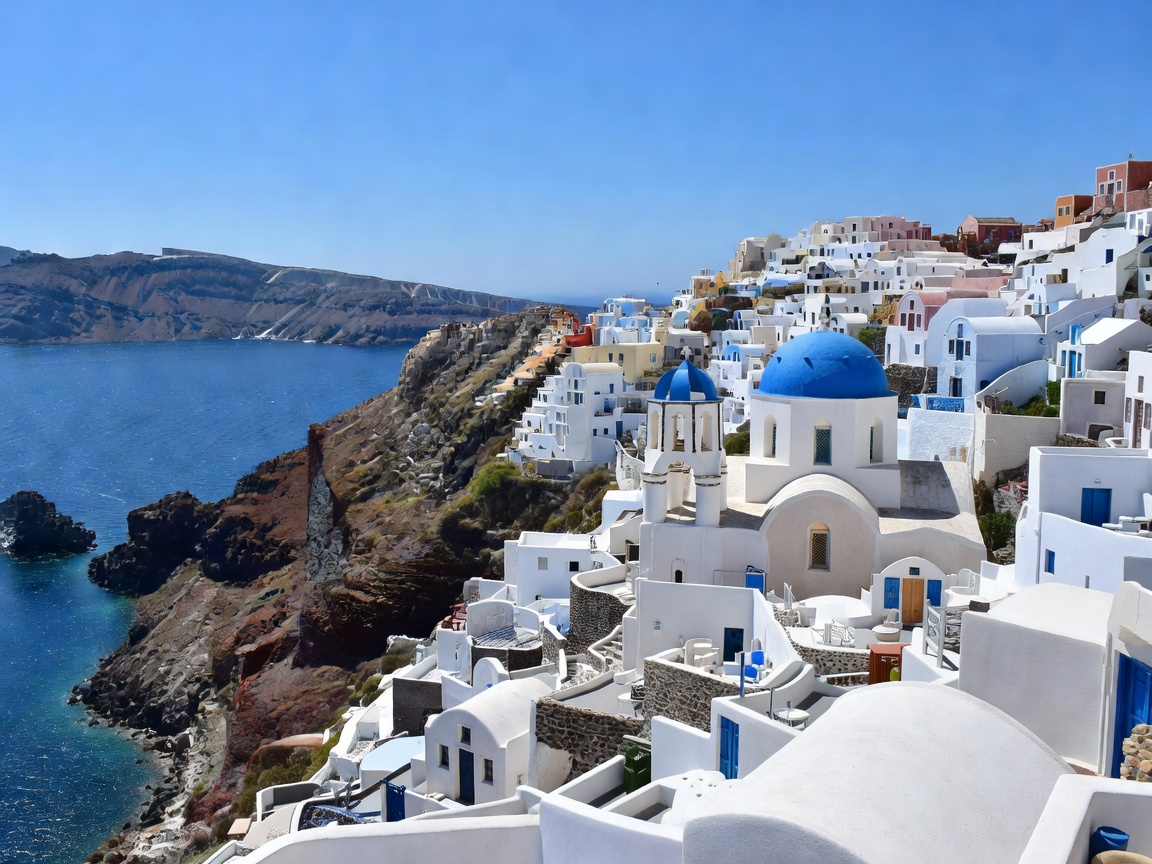
Blue-domed church and white houses above the caldera cliffs of Santorini

Greece

Santorini

A volcanic caldera ringed by cliff-top villages. Beaches are dark volcanic sand and pebbles rather than soft white sand; the real draw is the views and the sunsets. Stay on the caldera rim for the scenery, or on the eastern coast for beach access and better value.

  • Best: May–June, September
  • 3 nights
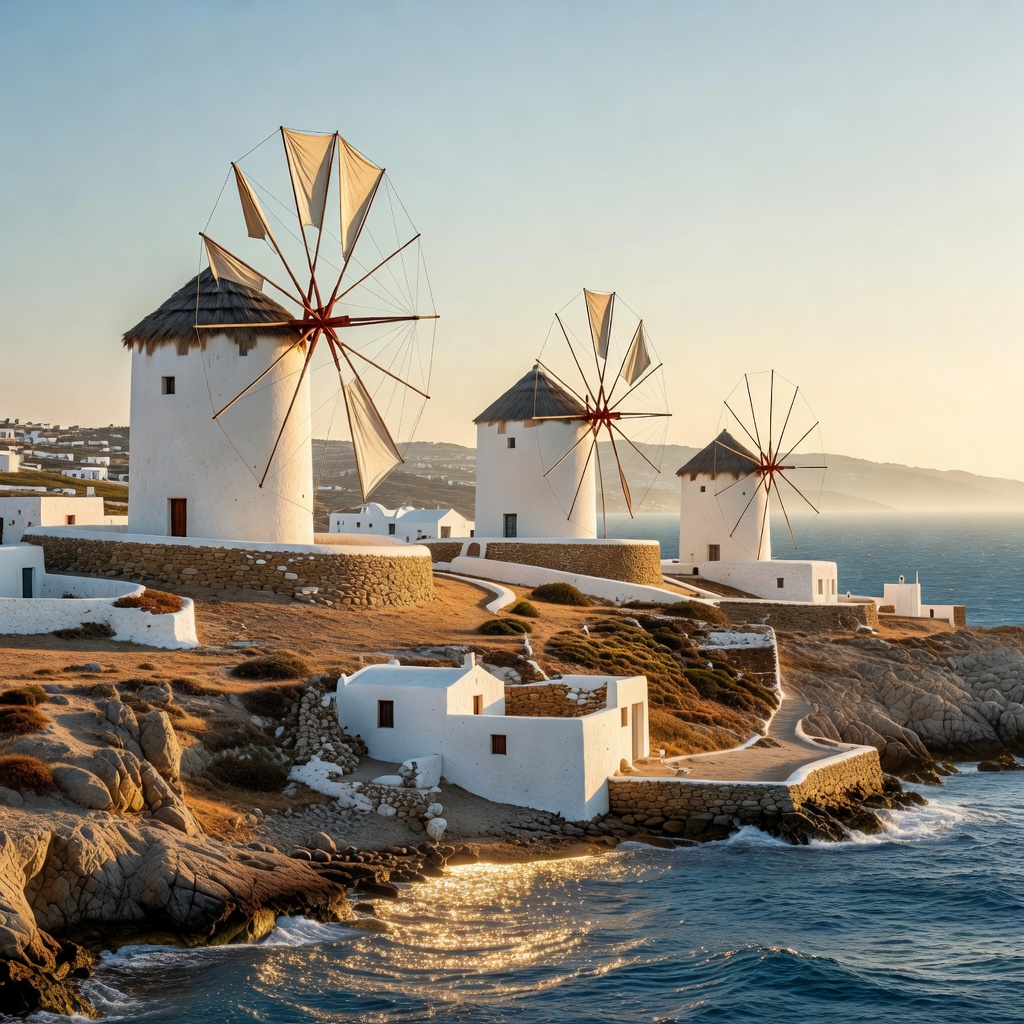
White windmills on a hill above the sea in Mykonos

Greece

Mykonos

Lively beaches, whitewashed lanes and famous nightlife that peaks in July and August.

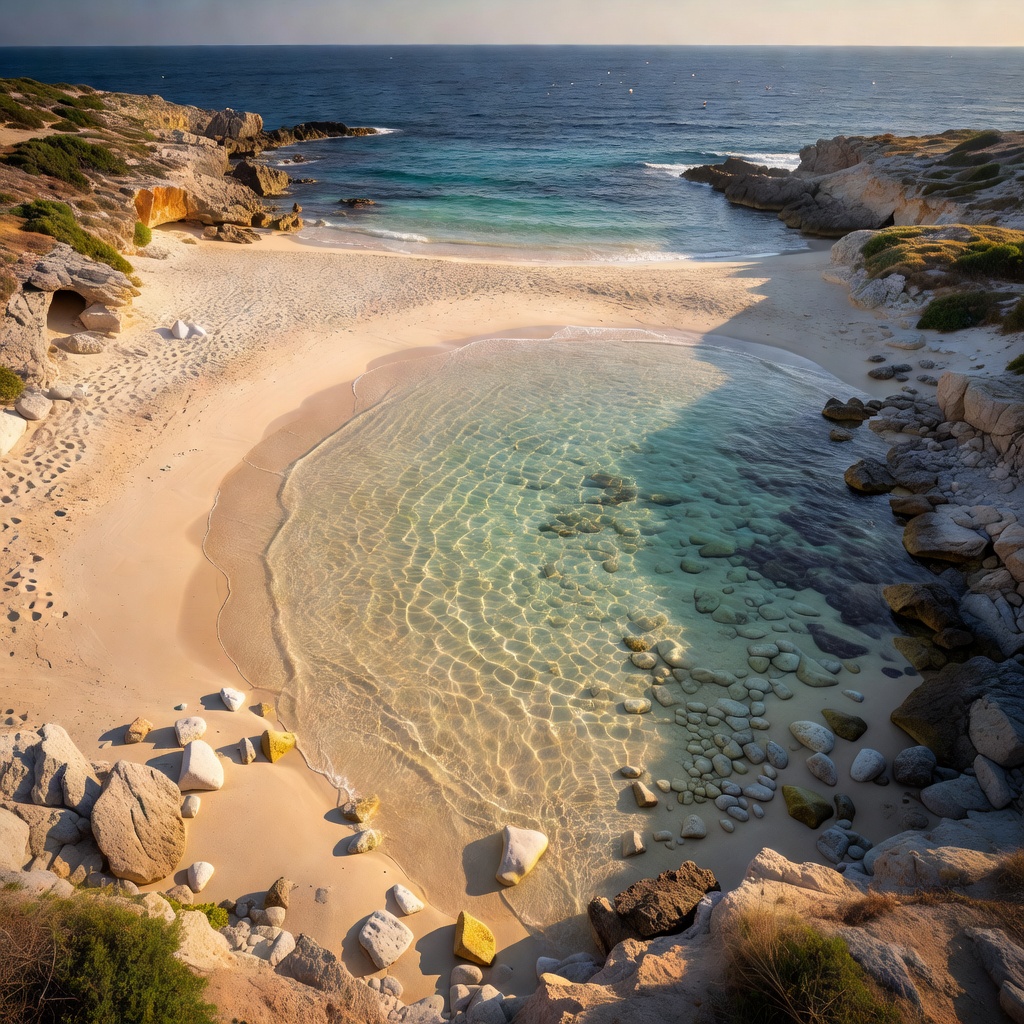
Clear shallow water and a sandy cove on the coast of Crete

Greece

Crete

Greece's largest island: beaches, gorges and mountain villages. Rent a car to see it properly.

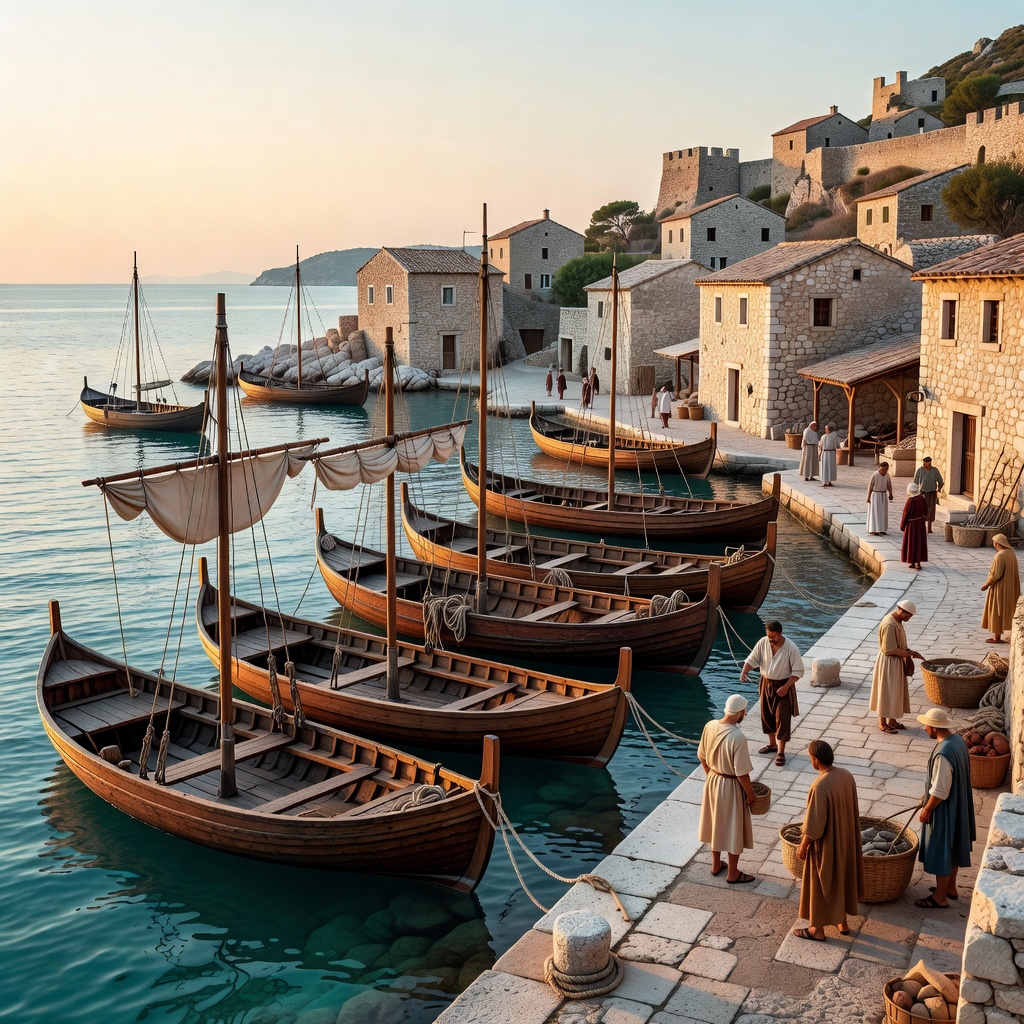
Boats in the harbour of Hvar town on the Croatian coast

Croatia

Hvar

Lavender fields, pine-backed coves and a lively harbour town, reached by ferry from Split.

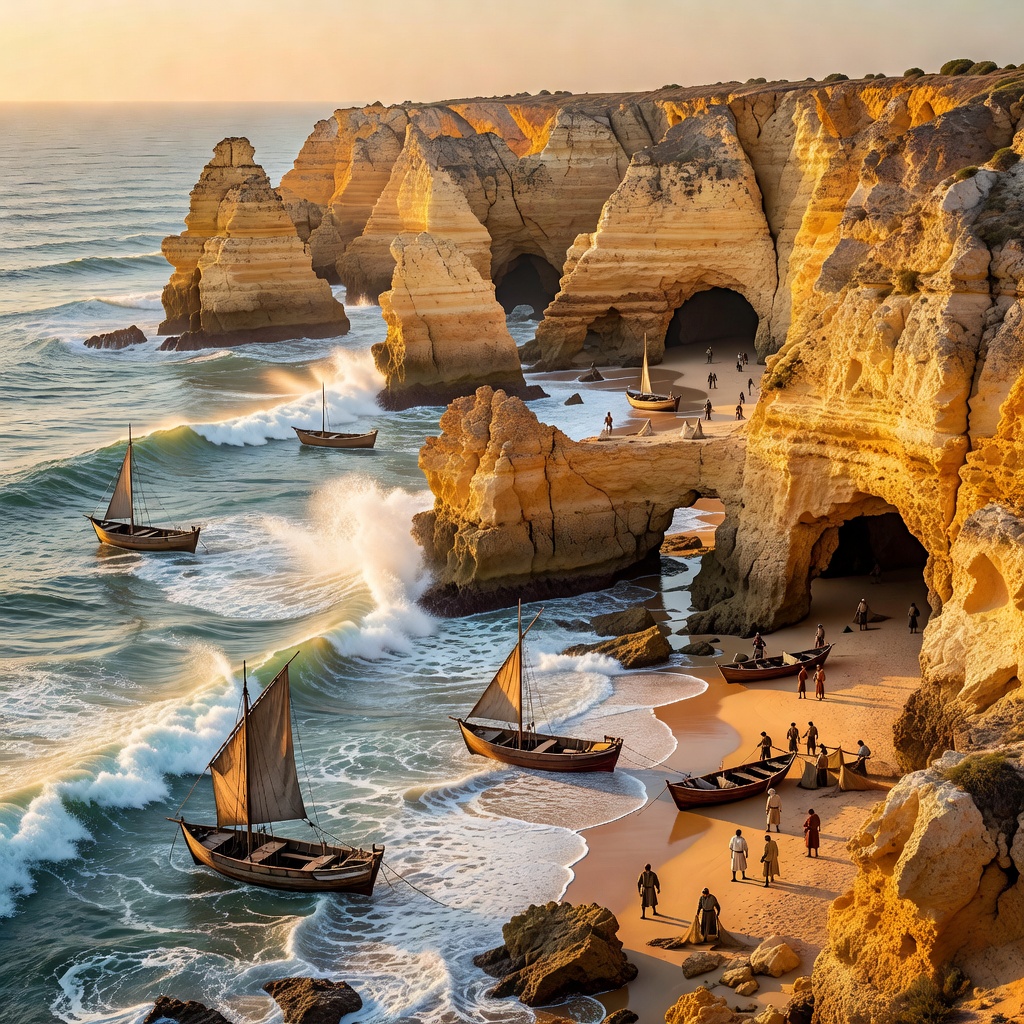
Golden limestone cliffs and sea caves along the Algarve coast, Portugal

Portugal

Algarve

Golden cliffs, sea caves and sandy coves; boat trips show the coastline at its best.

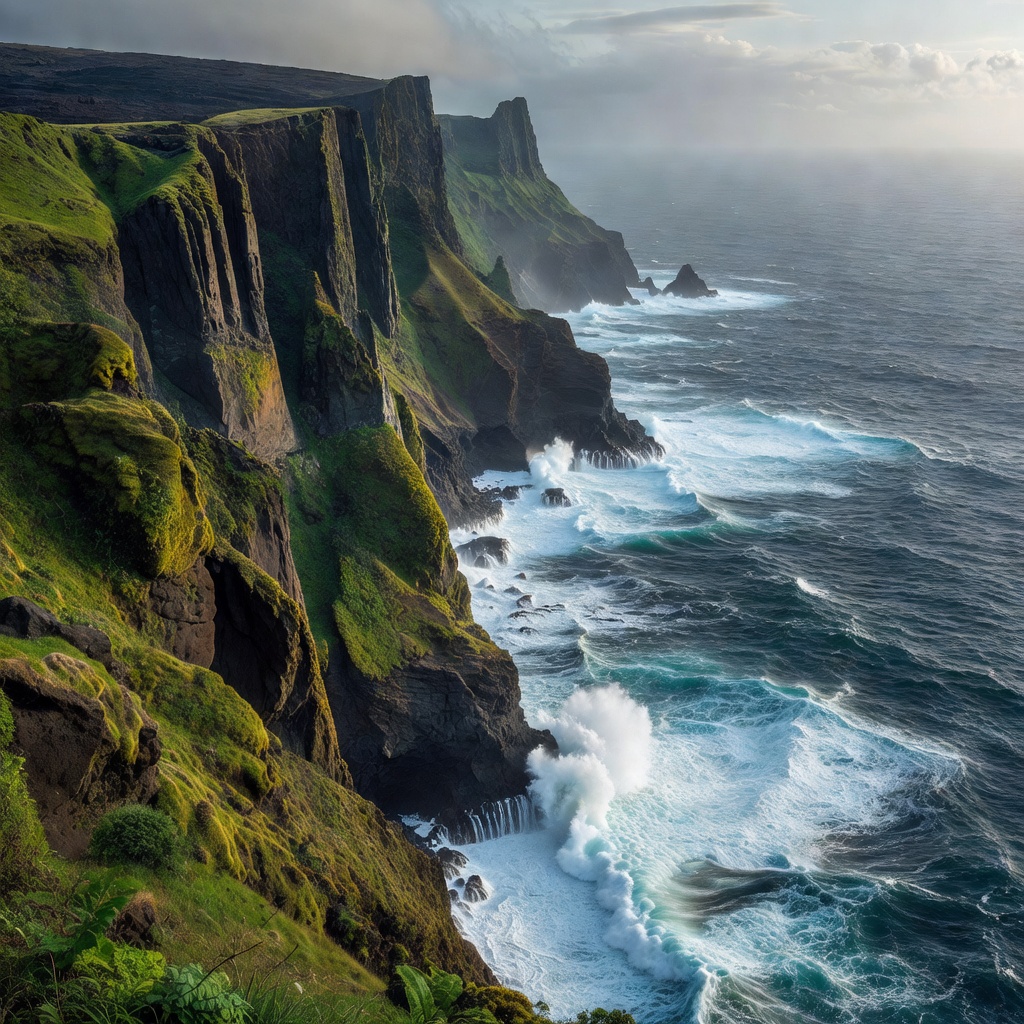
Green volcanic cliffs dropping into the Atlantic on Madeira

Portugal

Madeira

A subtropical volcanic island better for hiking the levada trails than for sandy beaches.

The mainland coasts compared

French Riviera: glamorous seafronts and mostly pebble beaches, with coastal trains linking towns. Costa del Sol: long sandy beaches, extensive resort infrastructure and mild winters. Dalmatian Coast: exceptionally clear water, rocky coves and easy island-hopping from Split and Dubrovnik. Amalfi Coast: small, often crowded beaches — here you come for the views, not the sand.

Greek islands or Croatian islands? Greece offers more variety and a longer season; Croatia's islands are closer together, so hopping between them is quicker.

Next guide